3 Phase Fertility Program Facebook 1

New 3-Phase Fertility Program & Why We Are Doing It

We are now offering a step by step new 3-Phase multimodality fertility program for those who need assistance with being able to have a baby. In the next follow-up post I will explain it a bit more in depth and what the phases involve.

We already offering a full multimodality fertility program which covers everything couples/individuals will need for their journey to have a baby. For more information on the full program please click on the link- Dr Andrew Orr’s Full Fertility Program 

My motto is “No Stone Left Unturned” and I don’t offer quick fixes

My motto is “No Stone Left Unturned” and I apply this to every person I see. I also have a master in reproductive medicine and have been assisting couples/individuals with fertility issues for over 20 years. I have helped over 12,500 babies with my program and part of this is because I don’t do things by halves and I look thoroughly into every person’s health and reproductive history.

I don’t do things by halves and with fertility and reproduction there is not quick fixes. If you aren’t able to conceive there is something drastically wrong and it needs to be investigated properly and appropriate management and treatment administered. This goes for both men and women. As I always say, fertility is not just an issue that women need to work on. Men are an equal part of the equation.

While my motto is “No Stone Left Unturned” and I will never do things by halves, or give people the quick fix, unfortunately there are many out there who will. Unfortunately people also want the quick fix and won’t invest in anything that they perceive will take them time. It is just the world we live in these days. Everyone wants a quick fix and immediate gratification. But, when it comes to fertility and reproduction, perception and reality become apparent very quickly and many couples/individuals end up on the fertility round about for years.

My full program and the new idea for the 3 phase program

My full program is very extensive and includes a lot of things than many just do not realise. The program cost is inclusive cost up front and even so, it probably should be twice the price. But, with all that goes into it and what is involved, many couples/individuals find that a bit overwhelming as they want they just want the short cut and answer to have a baby.

My daughter runs my reception and takes all my patient enquiries and a few weeks ago we spoke about creating a separate program, which may be less overwhelming for couples/individuals. This is where we came up with the 3-phase fertility program.

This way couples can do things step by step, rather than everything up front, and pay for each phase they do, rather than an all-inclusive price up front *

The New 3-Phase Fertility Program

Couples/individuals* can now come and see me for an extensive 2 hour consultation and fertility education without having to commit to the full fertility program. This is phase 1. They have to fill out questionnaires prior to coming and will be given a 10-20 page report of findings and ongoing management plan. From there they can then go away and absorb everything and decide if they want to commit to the rest of the fertility program, which is then phase 2 and phase 3.

The cost is a little cheaper than the full fertility program and you pay for each phase, rather than an all-inclusive fee up front. You don’t get everything that is included in the full program, but it is another option for couples who need advice, who are unsure what they want to do next etc.

It would be a little strange to just do Phase 1 only, as you would have all this advice and plan set out, and then not be able to do anything with it. But what it does is allows couples to digest things and talk over all their options etc, before they commit to phase 2 and phase 3.

My mission 

I want every couple, or individual wanting to have a baby to have the best advice and care before heading into the journey of becoming a parent. The new 3 phase fertility program gives another option for this. It also makes things a little less overwhelming while still giving couples the “No Stone Left Unturned” approach that I always provide everyone. I will never do quick fixes, never cut corners, or try to cheapen what I provide to anyone. But, I will always look at ways I can meet people half way and this is what we have done.

Couples/individuals * can still do the full Fertility Program if they want, but now they have another option they can look at also.

I will explain the new 3-phase Fertility program option in a follow-up post. To find out more the best thing to do is call my clinic and get the full information and pricing from my staff. If you do need help with having a baby, or struggling to fall pregnant, please give my friendly staff and they will go over every option of how my fertility programs may be able to assist you. Yes, we do see couples from remote places, interstate and those overseas as well.

Regards

Andrew Orr

-No Stone Left Unturned

-Master of Reproductive Medicine

-The International Fertility Experts.

*Conditions apply. Please ask our staff about these conditions. 
3 PhaseFertility Program

New 3-Phase Multimodality Fertility Program Explained

  • Are you struggling to fall pregnant?
  • Have you had multiple failed cycles of IVF, or Assisted Reproductive Therapies?
  • Do you want to know ways to increase your chances of pregnancy?
  • Do you feel like your fertility specialist, GP, or gynaecologist isn’t listening to you?
  • Could you have had things missed in your fertility investigations?
  • Do you just want proper answers to why you aren’t conceiving?
  • Have both you and your partner been evaluated properly?
  • Are you considering IVF, or Assisted Reproductive Therapies and want to know more?

Dr Andrew Orr’s clinic is now offering a “3-phase multimodality fertility program”, which is also part of “The International Fertility Experts” program, for those who don’t wish to join our full fertility program straight away.

Who runs the program?

This new 3-phase program is run by ‘International Fertility Expert’ – Andrew Orr, who has over 20 years of experience in assisting reproductive and women’s health conditions.

Andrew has two medical degrees being awarded a Masters of Reproductive Medicine and a Masters of Women’s Health Medicine through the faculty of medicine at the university of New South Wales (UNSW). Dr Andrew Orr is also a doctor of Traditional Chinese Medicine, nutritionist, integrative medicine practitioner and more. Combining both his western and complementary medicine background, he brings a true integrative/multimodality approach to fertility.

What is involved with the 3 Phase Fertility Program?

Many couples/individuals that come to our clinic are often unsure what to do next when it comes to trying to have a baby. The new 3-phase multimodality fertility program allows couples/individuals to have consultation and guidance about their fertility journey before committing to the next 2 phases of the fertility program.

It also allows people the chance to hear the advice and guidance give and for them to go away and think about what they would like to do next.

1. Phase 1 of the program- “Initial Consultation & Fertility Education (2 hours)”

Phase 1 of the 3-phase fertility program begins with a 2 hour initial “No Stone Left Unturned” consultation/fertility education session with Dr Andrew Orr.

Phase 1 involves:

  • Preliminary workup of case history and questionnaire review.
  • 2 hour consultation and fertility education
  • Comprehensive health questionnaires & online questionnaires (sent prior to initialconsultation)
  • Review of pathology, medical investigations, etc.
  • A 10-20 page report and management plan (written prior to your arrival).

What happens after Phase 1?

After phase 1, people can then decide what they want to do with the information and recommendations that they have been given. Rather than waste the information and advice given, people are recommended to do the next two phases.

*Phase 2 and Phase 3 of the multimodality fertility program are only for those people who to continue with the program after Phase 1. 

We highly recommend that Phase 1 followed by Phase 2 and Phase, which includes preconception care, extensive fertility investigations, multimodality treatments, diet & lifestyle advice, nutrition, medicines and supplementation, acupuncture and herbal medicines, and everything I couple will need to know and do as part of their ongoing fertility management. It is a very extensive multimodality fertility program which includes both medical science and complementary medicines combined.

2. Phase 2 of the program- “Review consultation & medicines/supplements prescribed”

Phase 2 involves:

  • 1-hour review consultation with master of reproductive medicine- Dr Andrew Orr (review of management/treatment plan, further fertility education, questions answered).
  • First lot of medicines and nutritional and vitamin supplements (for both partners).
  • Referrals for fertility testing/investigations/procedures and referral to other specialists if needed.
  • Fertility information pack.

*Please note that testings and investigations will come at an extra cost and are not included in the 3 phase fertility program. 

3. Phase 3 of the program- “Ongoing Treatments & Fertility Management”

Phase 3 involves:

  • Ongoing Acupuncture
  • Ongoing consultations and review consultations (those not local will do online consultations)
  • Ongoing medicines and nutritional supplements
  • Further testing and procedures (if needed)

*Please note that ongoing services, treatments, medicines/supplements, testings and procedures etc, all come at an extra cost. Some services may also be claimable under private health insurance. Online consultations are only available to those people who are not local, or who are living interstate, or overseas. 

Final Word

Please note that the 3-Phase Fertility Program is a little bit cheaper and little different to our full fertility program. Please talk to our staff about these differences and which program would suit you best.

[Special Note- Please note that due to legal and ethical guidelines for fertility management, all males must be involved in any part of investigations and ongoing fertility treatment/management. We cannot see a female on their own, unless they are single and using donor sperm, or in a same sex relationship]

Dr Andrew Orr’s vision is to help every couple, or single patient, get the right care, right investigations, proper treatment and management to help with increasing their chances of conceiving.

Through Dr Andrew Orr’s multimodality management fertility program, that combines ancient and modern science, he aims to deliver his “No Stone Left Unturned” for anyone wanting to have a baby.

For more in depth information about our 3-phase Fertility Program and Full Fertility Program, or to book in, please call our friendly clinic staff on 61+07 3832 8369, or email us at info@drandreworr.com.au

-No Stone Left Unturned

-Master of Reproductive Medicine

-The International Fertility Experts.


photo of a woman thinking 941555

What Wikipedia Can’t Tell You About Researching Your Health Condition

One of the things I always hear from my patients is that they did all this extensive research, on why they chose a particular place, particular person, or particular treatment modality. But then I then hear that the last place they went to, or person they saw, or last treatment modality that they did didn’t end up helping them much.

So, if that is the case, what went wrong with all their so called research?

Now, before I start on this article, please know that I always promote that people should be educated on their particular health issue and always try to be fully informed. But, the problem these days, as I have mentioned often, is that ‘Dr Google’ is not a reliable source of education, or credible research for that matter. Nor should it replace a qualified healthcare professional’s advice, or proper credible research.

Is it an extensive search, or proper research?

When patients often say to me that they have researched something, it probably more likely means that have done an extensive search. More often than not, it means it is an extensive google search. As I said before, I recommend people search extensively and do their homework and become fully informed. Being informed gives you choices and this is a good thing.

Searching and research are two completely different things. When it does come to finding quality research, one needs to know how to distinguish between good research and bad research. This is where many come undone, unless they have studied how to evaluate proper research methodology and criteria.

Anyone can create a spectacular medical website

Now days anyone can post anything they like on their website, make it look pretty, quote a few research papers and make their page look like it is backed up with valid research. Let’s face it; making a website is pretty easy these days. It is so easy that your grandmother could do it and make out she was a professor with an academic position.

Current research is via subscription only

The other issue is research that is freely available to the public. Most research freely available to the public is often around 7-10 years old. Most current research is not even available to the public, unless you are studying and have access to university journal subscriptions. Current research is usually only available to academics and health professionals who have paid subscriptions, or who have academic positions. So by the time this free research is then made available to the public, it is usually out of date and superseded by current research.

Knowing how to interpret good quality research

We also have the issue that even if many of the general public could access credible current research, they probably would not be able to interpret it properly anyway. I know when I studied statistics and research criteria it took years to fully know how to interpret proper research and all the research terms. Let’s face it, without proper training most people would be flat out knowing what a T score, Z score, or null hypothesis meant, let alone all the other technical data terms.

Abstracts of research can be misleading

We also see abstracts getting cited to back someone’s claims up. The problem with abstracts is that it is not the full research paper and the headings on these abstracts can falsely convey what the actual research team actually found. I see many people “cherry pick” (meaning chose something to suit ones opinion) research and abstracts of research just to validate a personal opinion and also make it sound like it is factual. This is the whole issue with Dr Googling these days. Much of what is out there is not only not factual, but it is a far cry from what the original research paper actually stated.

There are flaws and lots of bias in research

There can also be high levels of bias in research too, based on who funded the research in the first place. A landmark study into the validity of current medical research showed that much of the published medical research is apparently flawed, cannot be replicated and/or has limited or no value. (1)(2)(3)(4)  This is also why it is important to know how to interpret and critic good quality research and know what is good research, or bad research.

The point I am trying to make is that while many people are searching for answers and looking to find good research, the fact is much of what is out there is very questionable indeed.

Finding out more information

When it comes to good research, or finding a good healthcare practitioner etc, it is like anything else in life. You do a lot of searching, then you narrow you choices down and then you go about finding out more information. The only way you are really going to know if you the information you are seeing on some website it factual is to ask to find out more information.

The value of a second opinion

I always tell my patients the value of a second, or third, or tenth opinion. It is like buying a car, or buying anything for that matter. You need to do the search and then go and find out in person. Ask the staff questions and then ask for an appointment to see whom you have searched up and found may be good for you to see. Then you need to meet the person and see if they stack up to how they are portraying themselves online. Do they know their stuff, or it is all just smoke and mirrors and just good advertising?

Get help to interpret research papers

If it is purely research you are looking at, find out if the actual research is factual and done via good research methodology. If you don’t know how to interpret research, then find someone who does. Never just go blindly off abstracts (eg –pubmed abstracts), or second hand research published on newsfeeds, or websites. Honestly, most good research is behind closed doors where you have to pay for it and if you aren’t paying for it, there is probably a good reason why it is being offered freely to all.

What to look for when searching and researching

When doing your searches, or research as many call it, then you need to be looking at the following:

  1. Where did you find the research? – Was it from a reputable source? (eg- paid journal)
  2. Was the information about the research interpreted by someone then posted in their own words? – Did they site the actual research they are referencing?
  3. Does the research have the potential to be biased? – (eg- a research paper stating softdrink is good for you and funded by a softdrink company)
  4. If it is a healthcare facility, or person you are searching, does their research seem like it is legitimate? – Is the information on their website directly created by personal opinion and do they back their words up with research and referencing?
  5. Does the person you are intending to see have backing to show they are an expert in what you are going to see them for? – (eg- do they post blogs on the subject you are needing to see them for, or does their website say that they are an expert in a particular field?
  6. Does the facility, or person, seem genuine, or does their website just seem like money grabbing and a fancy advertising stunt to lure people in?

Final Note

At the end of the day, in this current day and age, everything needs to be met with the caution of “Buyer Beware”. This goes for anyone you are searching (or go to see), or any information you find on the internet. Just do your homework and make sure who you are seeing, or what you are reading is legitimate.

But at the same time, when you do go and see someone, you do need to have an open mind and not go in with resistance either. This could get a genuine person offside and then ruin your chances of getting the help off someone really good. Never project your last experience onto the next person because the next person could be the one to help you.

Just remember that your new degree in Dr Google research may not be as good as the person’s real degree, education and clinical experience you are sitting in front of. But at the same time, the so called expert in front of you may not be an expert, just because they have a great website with all the glitz and glamour on it.

Regards

Andrew Orr

-No Stone Left Unturned

-Master of Women’s Health Medicine

-Master of Reproductive Medicine

-Women’s and Men’s Health Advocate


References

  1. Protect us from poor-quality medical research- Human Reproduction, Volume 33, Issue 5, May 2018, Pages 770–776, https://doi.org/10.1093/humrep/dey056
  2. Altman DG. The scandal of poor medical research. Br Med J 1994;308:283
  3. Core Outcomes in Women’s Health (CROWN) Initiative. The CROWN Initiative: journal editors invite researchers to develop core outcomes in women’s health. Hum Reprod 2014;29:1349–1350.
  4. Flacco ME, Manzoli L, Boccia S, Capasso L, Aleksovska K, Rosso A, Scaioli G, De Vito C, Siliquini R, Villari P et al. . Head-to-head randomized trials are mostly industry-sponsored and almost always favour the industry sponsor. J Clin Epidemiol  2015;
Untitled design 9

8 Tips To Increase The Chances Of a Successful Pregnancy

More and more couples are now struggling to fall pregnant. The causes of this can be varied and this is why proper investigations and seeing a fertility expert is important. But, there are things couples can do to increase there chances of having a baby. Here are my 8 tips to increase the chances of a successful pregnancy.

Reduce stress

One of the  biggest cause of fertility issues and cycles not working is stress. This includes being busy all the time too. Stress  and being on the go all the time, increases cortisol and adrenalin and these can affect your hormones.  Stress can also interfere with blood circulation into the uterine environment, which can then affect implantation. We know that in animals, stressed animals do not conceive during time of stress. The same goes for humans.

It takes two people to have a baby

Biology 101 tells us that it takes a man and a woman to have a baby, meaning it takes a sperm and an egg. Unless you are a single woman, or a same sex female couple, using donor sperm, the man needs to be make sure his sperm is healthy and checked out properly too. Over 50% of fertility issues are related to male factors and up to 85% of miscarriage issues can be related to chromosomal and DNA factors relating to to sperm.

Sperm quality also changes by as much as 20% in each month so it is just as important for a male to continue on supplements etc to keep his sperm healthy. Men often bury their heads in the sand when it comes to fertility issues and we need them to be more proactive and not just leave it to the woman to do all the work and take all the burden on. There will always be a bit on each side when it comes to fertility, so men need to get their act together and support their partner and support the process more.

Seeking the right advice and proper investigations

All too often couples wait too long to seek advice and treatment for fertility issues. Early intervention, investigations and management is the key to any issue we face on a health perspective. The wait and see approach isn’t always the best advice that is given to couples. You also need to see the right healthcare professionals too. Fertility evaluation needs to be done for both the woman and the man, not just the woman. This is why it is important to see a fertility expert if you are having trouble falling pregnant.

Getting a second opinion

If someone asked you how many quotes would you get to renovate your house etc, how many quotes would you get?

Most people will say about 3-5 quotes, yet when it comes to their health, or fertility issues, they are only seeking 1, possibly 2 quotes, which means they place more importance on their houses etc. If something or someone isn’t helping you, then it is so important to get a second opinion. Just because someone is nice, or has all your health history, does not mean they are worth staying with, especially if they aren’t helping you fall pregnant. A second opinion, or even a third, fourth, or fifth, could just be what is needed to get you the right advice and see someone who is more suitable to helping you. Things do get missed and something I see daily, so please never underestimate the power of another opinion.

Eat more protein and Essential Fats

Protein and essential fats are the essential building blocks for life. They are also the building blocks for making your hormones and making healthy eggs and sperm. Increased protein also helps prevent ovarian hyper-stimulation and also dampens down inflammatory response caused by over eating highly refined sugars and refined carbohydrates.

Increase your Electrolytes

Water alone will not stop you from dehydrating. Electrolytes are a very important part of the body chemistry and hormone therapy, certain drugs and medications drastically reduce them. It is important to keep the cells body hydrated at all times and especially during an IVF cycle and during pregnancy. Electrolytes consumption during IVF cycles also helps prevent ovarian hyper-stimulation.

Regular climax

Regular climax, self induced, or with a partner, (also before and especially after embryo transfer) assists with implantation and health blood supply to the uterus. An embryo feeds off blood supply from the uterus and regular climax helps optimise this blood flow and with increasing hormones such as oxytocin. Without a healthy blood supply to the uterus and circulating hormones the embryo will die.

Regular sex also helps with men as well, by improving sperm quality. Storing it up does not help sperm quality and actually makes it worse. Lastly regular sex and climax also helps with a healthy relationship and bonding as a couple.

Not having enough sex and not at the right time

One of the biggest myths is that all women ovulate around day 14, or in the supposed fertile window between day 10 and day 17. A landmark study published in the British Medical journal showed that more than 70% of women were ovulating before day 10 and after day 17 of their cycle and there was actually only a 10% probability of being fertile in the supposed fertile window (day 10 to day 17). Couples need to be having regular sex, at least every second day, from the time the menses finish right up until the woman is due for her menses again.

An egg dies 24 hours after it is release so if there is no sperm there, then the egg cannot be fertilised and the egg dies. That is the facts. And no… sperm do not last up to seven days etc. Most of the three to five hundred million sperm that set off are dead after an hour. Less than 20 sperm actually make the journey to the fallopian tubes and even less make the journey to meet the egg.

Getting the right help

If you are having trouble conceiving, then give my friendly staff a call and find out more about how my fertility program may be able to assist you. For more information, please call +61 0738328369 or email info@drandreworr.com.au

Regards

Andrew Orr

-No Stone Left Unturned

-Master of Reproductive Medicine

-The International Fertility Experts

genetics and fertility

Understanding How Genetics Play a Major Part in Fertility & Reproduction

Understanding how genetics plays a major part in fertility and reproduction is very important. Many couples are completely unaware that their fertility issues and inability to conceive may in fact be from genetic, or hereditary issues that have not been screened for.

When it comes to fertility and being able to conceive more and more couples are now struggling. Some of this is due to increased stress levels, poor diet and lifestyle, increase alcohol consumption, lack of preconception care and many other factors. However, one key area that is not often talked about, or even known to many is genetic factors, chromosomal factors and DNA issues passed on through our sperm and eggs.

Fertility and reproduction is one of the hardest areas of medicine to understand. I am sure many people think that they understand it, but even with years of study and clinical experience, some questions just cannot be answered at this present time. No amount of “Dr Google” searching is going to bring answers for many couples and this is something that needs to be discussed more. Unless you have done years of study and clinical research into fertility and reproduction, you cannot understand the finer details and intricacies of conception. Even then, some answers are just not available to anyone at this present time.

The Reality of Fertility and Reproduction

The reality of fertility and reproduction is that just because an egg and sperm are put together, it does not mean that an embryo will be formed. Even if an embryo is formed, it does not mean that it will become a baby. Even if an embryo meets scientific grading categories (grade 1-4 etc), it still does not mean that the inner make up of that embryo is chromosomally viable. Even if the embryo is tested to be chromosomally viable (via PGD/PGS testing), it still does not mean that the embryo will go on to become a baby. This is the hardest thing for people to get their heads around and why we need to discuss this more. Quite simply, something that is supposed to seem easy really isn’t that easy at all. Reproduction and having babies is not as easy as many have led us to believe.

Chromosomal Errors

One of the biggest factors in embryos not developing, or IVF cycles failing, or even natural conception not working is chromosomal errors at the embryo stage. Even if both parents have normal karyoptype (46XX and 46XY) it does not mean that they cannot produce random chromosomal and genetic errors in their sperm and eggs. The thing is, the older we get, the more these errors occur and the harder it is to fall pregnant. An abnormal embryo with and abnormal number is cells is called aneuploidy. When an embryo has the correct number of cells it is called euploidy. Unfortunately, many couples are producing high numbers of aneuploidy embryos and this is why they are struggling to conceive. As mentioned before, just because the outer features of the embryo look fine, it does not mean the inner workings (chromosomes and DNA) are fine.

The Important of Genetic Screening

Speaking about chromosomal and genetics, when couples are struggling with fertility and being able to conceive, one of the biggest factors I see is that couples are not being screened properly. This is screening on all aspects, not just the standard blood tests and fertility investigations. Many couples that come to see me for help for fertility often believe that they have had everything done, yet most times I am finding that they have only had the basics done. Many couples have not even had basic genetic screening for karyoptype and genetic issues such as cystic fibrosis.

Understanding the Coding on DNA

Understanding the coding on the DNA is now having a profound practical impact on the practice of medicine today. This is particularly important in the area of infertility. There is increasing knowledge that there is frequently a major genetic component both from nuclear and mitochondrial DNA in couples with infertility or subfertility.

Significant examples include:

  • The demonstration of microdeletions on the Y chromosome in men with low sperm count (oligozoospermia)
  • The identifications of mutations in the Cystic Fibriosis gene in those with congenital bilateral absence of the vas deferens
  • The high rate of aneuploidy in normally dividing embryos after fertilisation in older infertile couples
  • The presence of an expanded triplet repeat in the androgen receptor in some men with low sperm counts.

Without seeing someone who has all this  knowledge of the molecular and genetic basis  of fertility many couples will continually have troubles trying to fall pregnant and may possible end up with repeated failed cycles in IVF too. There is so much to genetics and it is often overlooked in all areas of fertility these days. No amount of “Dr Google” is going to give you this information, nor will it give you understanding, unless you have a degree in reproductive medicine, or genetics. I do understand that people get desperate for answers, but unfortunately, sometimes these answers cannot be found by an internet search.

Other Genetic Factors Affecting Fertility

There are also other genetic conditions and chromosomal errors such as balanced translocations, reciprocal translocations, Robertsonian translocations, Turner’s syndrome, Kleinfelter’s syndrome, fragile X syndrome and many more. Again, many who are struggling with fertility issues and struggling to have a baby may not have even had some of these genetic screening done.

When I see couples, I also recommend advanced genetic carrier screening which tests for several hundred more genetically inherited mutations. Many fertility clinics do not recommend couples to do advanced carrier screening. Given that 1 in 22 couples are at risk of a hereditary gene mutation, it is really important to screen couples properly and not just do the basics.

Mutations in Genes

A mutation is a change in the information encoded in the DNA sequence. Such a change may result in the production of an abnormal protein, produce a truncated protein, reduce the levels of that protein, or cause it not to be made at all.

A single gene genetic disorder is one where an alteration in the DNA sequence of only one of the genomes 40,000 genes has resulted in significant pathology and disorders that affect the human body.

Such disorders include cystic fibrosis, Duchenne muscular dystrophy, Huntington disease and familial breast cancer. Although individually these disorders are rare, as a group, they are numerous and therefore important.

Cystic fibrosis, one of the most common autosomal recessive conditions affecting people of Northern European decent has a population incidence of 1 in 2,500.

To date up to 6,000 single gene disorders have been characterized and it is estimated that 14 per 1,000 people suffer from one of these conditions. A person who inherits a mutation in a single gene will carry that mutation in every cell of their body.

Mutations occur when a cell is dividing. The task of correctly copying 6 billion “bits” of information, the number of base pairs in the human genome, is huge and mistakes do occur. It has been established experimentally that these mistakes occur and are uncorrected in one in one billion base-pairs copied (or about 6 errors per cell division).

When a mutation occurs in the coding DNA sequence of a gene it may be a polymorphism with no effect or it may significantly impair the gene function. All mutations are thereafter inherited. Inherited or germ line mutations must be present in the egg or sperm. They are twice as common in sperm as eggs.

 Male Sperm Quality is a Big Part of Fertility Issues

Before everyone jumps to the conclusion that all failed cycles are related to women’s egg quality, I need to make it absolutely clear that men are half of the fertility equation. They are not exempt when conception does not take place, or an IVF cycle fails. As mentioned above many genetic mutations are twice more likely to be present in sperm than eggs. Up to 85% of miscarriage and chromosomally defective embryos are related to chromosomal errors that men have passed through their sperm.

Women’s eggs do have more errors as they get older, and eggs are not as viable as they get older, but men’s sperm are exactly the same. If men are not having their sperm quality managed while trying to fall pregnant, there is half your problem then and there. This is why all men are treated and managed on all levels of their health when doing my fertility program.

Sperm quality is variable and each time a man ejaculates the quality of that sperm can vary by as much as 20% at a given time. This is why men need to be continually looking after their health and sperm health while trying to conceive. Men are actually the bigger part of conception not taking place and we need to talk about this more. Men are not exempt when it comes to making babies.

Creating Life

Life does not begin with conception, but is simply a continuum from living cell to living cell with genetic information being transmitted through the genome from one generation to the next. A failure to achieve this is recognised as infertility.

At conception we are a single fertilized cell resulting from the fertilization of the egg by the sperm. The sperm contributes one copy of nuclear DNA, the egg the other copy and the mitochondrial DNA. That cell proceeds to divide, and over the course of 9 months (32 cell divisions) billions of cells are created, with specialized functions, forming complex tissues and organs that constitute the working human body. That first cell therefore must contain all the information necessary for embryological development, growth from fetus and then growth through to adult life. Without all the right coding and necessary information, life does not get created. This is also the answer to why so many couples are having problems trying to conceive.

The Importance of Seeing a Reproductive Medicine Expert

There are many factors to fertility and reproduction and why it is important that couples see someone who is a fertility expert. The fertility profession is largely unregulated and many who are now practicing in that profession are not experts at all. Many actually do not have further training and qualifications in reproductive medicine and are some of the reason why people are struggling to fall pregnant.

Final Word

Lastly, while we cannot change our chromosomes, or change genetic mutations, we can do things to change and improve our cellular DNA. This is why proper preconception care and preconception programs are so important. Everything we do, we ingest, we think etc, can be passed on to our future offspring via sperm and eggs. Health parents produce healthy sperm and eggs, thus producing healthy babies.

If you need help with being able to conceive, give my friendly staff a call and find out how my fertility program may be able to assist you. I use a ‘No Stone Left Unturned’ approach to assisting couples with fertility issues and will look at every aspect of a couples lives, including genetic and hereditary issues, to help them have the best chance of having a baby.

Regards

Andrew Orr

-No Stone Left Unturned

-Master of Reproductive Medicine

-The International Fertility Experts

Untitled design 19

Cosmetic/Facial Rejuvenation Acupuncture

We are excited to announce that we will be providing cosmetic/facial rejuvenation acupuncture as part of our amazing treatments for our patients. This will be provided as a separate service to our other treatments.

You may have tried acupuncture for pain relief or for other health conditions, but what about for a natural face lift?

Yes, that’s right, cosmetic acupuncture (known as facial rejuvenation acupuncture), has garnered quite the following among a lot of celebrities who are wanting a natural alternative to Botox.

What is Cosmetic/Facial Rejuvenation Acupuncture?

Cosmetic Acupuncture is an ancient practice used in Traditional Chinese Medicine (TCM) and dates back to the Emperors in China. It was a common practice used by concubines and be Geishas in Japan, and it’s still around today!

The reason so many are trying cosmetic acupuncture is because they don’t want to us botox, fillers and all the stuff in between any longer. This technique is completely natural, safe and relatively pain free. Compared to botox, there is no comparison with regards to pain.

Rather than filling your skin with chemical injections, your face will instead be covered with fine acupuncture needles that assist with creating an instant lift and over time, can assist with erasing fine lines and wrinkles. It may also be used for assisting with acne and other skin conditions.

Working with other cosmetic treatments

Already had Botox or fillers? No worries!

Cosmetic acupuncture can work around the beauty treatments you’ve already had, and help to enhance those treatments. 

So how does it work?

Fine needles are placed on your face at specific acupuncture points. One of the ways it works is the ‘microtrauma’ caused by the needle encourages blood flow and the body’s own wound healing processes.

This process results in the rebuilding of collagen under the skin, which can assist with producing visible reduction in fine lines, tighter skin, healthy muscle function and softer wrinkles. Not to mention the other health benefits acupuncture may assist with. 

What Will I feel?

When people call us to find out more about facial rejuvenation acupuncture, one of the main question they ask is……‘Does it hurt?’

Compared to botox injections and fillers etc, there is no comparison. Very fine acupuncture needles are used so that you can hardly feel anything. Some people feel next to nothing and others may just feel a tiny sensation at the base of the needle.

At our clinic we will be working hard to make your experience a very relaxing and blissful experience. Most of my patients will bliss out and nap during their treatments.

How Many Treatments Are Needed?

There is no one treatment fix all for anything to do with our health. A series of treatments are needed to give the best results.

Regular treatments are needed at first. Depending on one’s age, and health, results may take a few treatments to really show the effect. However, most people will see the benefits from the first treatment. Treatment plans may vary depending on the individual, and our staff will explain this too you on booking. 

Treatments usually start with 1- 2 treatments a week for the first six weeks for the best results. We can tailor treatment plans to suit you. 

For those people who are time poor, or always busy, once a week consistently for twelve weeks will also show great effects. It is like anything to do with our health. What you put into it, is what you get out of it.

Monthly maintenance, like most things, is needed for the best results.

Regular treatment combined with proper diet,  lifestyle changes, good sleep habits, exercise, sunlight, and reduction of being busy are all key components to  assisting with good health.

As many are aware, studies have shown that stress is a major component of ageing and inflammation, so reducing stress is particularly important if you want assist with slowing the ageing process down.

What to expect after treatment

 After a treatment most of our patients will notice a bright and refreshed quality that shines out of their faces. Patients will generally see immediate changes in skin contour and tone, lines and wrinkles, brightness and tightness.

Cosmetic acupuncture has also been known to reduce puffiness, increase collagen in the face and soft surrounding areas, relieve stress, give you glowing skin, reduce scarring, and even out pigmentation. All this can be done without the nasty chemicals that many are now not wanting to use.

The only way to find out is to give cosmetic/facial rejuvenation acupuncture a go. Everyone’s health and beauty routine will be different, but acupuncture could really make a difference to how you look at how you feel.

Qi Beauty Products & Take Home Packs

We are combining our acupuncture facial rejuvenation treatments with the amazing Qi Beauty products and take home packs. Qi beauty have a whole range of beauty and facial rejuvenation products that are sustainable skin care, age control, wholistic anti-ageing and optimal skin health.

Qi Nourish                                Qi Beauty Favourites Bundle

The Qi Beauty favourites bundle is a take home pack which includes special static magnets that you can put on specially selected acupuncture points. You can also enhance the repair potential of your skin with the feed skin nutrients for organic recovery with Intense Oil featuring Qi beauty Sea Buckthorn Oil.

We are really excited to be offering this amazing range as part of our cosmetic treatments. 

Other services within your facial rejuvenation treatment

There will also be other treatments we use within your treatment. This can include moxibustion, our customised facial rejuvenation laser therapy unit, and other selected therapies to enhance your skin care.

We also carry a range of vitamins, supplements and nutritional medicines to assist with overall health.

You can also choose to undergo our microbiome restore, to help with better gut health and digestive health as well. Good health always starts with good gut health and a health microbiome. This is not included and comes at an extra cost. Please ask our friendly staff for more information.

Making your appointment

If you would like to give cosmetic/facial rejuventation acupuncture a try, then please give my friendly staff a call and they will be able to book you in and explain more. You can call the clinic on 07 38328369, or email info@drandreworr.com.au.

You do have to come in and have treatment in person as there are no online options for these treatments.


Pelvic Congestion Syndrome 1 1

Let’s Talk About Pelvic Congestion Syndrome

Millions of women world-wide suffer from chronic pelvic pain. One of the causes of chronic pelvic pain is a condition called Pelvic Congestion Syndrome and it is not often talked about. I thought it was important to share this information to bring more awareness to this syndrome.

Pelvic congestion syndrome does share many of the same symptoms of endometriosis and adenomyosis and it important to have proper differential diagnosis and rule other causes of pelvic pain out first. Sometimes the varicose veins that cause pelvic congestion syndrome can be present alongside endometriosis and adenomyosis, or other pelvic issues.

In the past, a diagnosis of chronic pelvic pain left many women frustrated with few treatment options and a lack of available resources. Their doctors were often left perplexed, despite the endless negative laboratory test and imaging data as well as inconclusive consultations obtained.

In the last 10 years, improved medical understanding and increased awareness have lessened the confusion surrounding this condition and its distinct association with pelvic congestion syndrome (PCS). There are now more minimally invasive surgical solutions which give affected patients more treatments choices as well.

So what is Pelvic Congestion Syndrome (PCS)?

Pelvic congestion syndrome (PCS) is a chronic condition that occurs in women when varicose veins form below the abdomen within the pelvic region. Pelvic congestion is just like the varicose veins that some women have in their legs, but it affects the veins of the pelvis. Blood backs up in the veins, making them become enlarged and engorged. Pelvic congestion can also cause chronic pelvic pain in some women.

What are the symptoms of Pelvic Congestion Syndrome?

The main symptom of pelvic congestion syndrome is pelvic pain that lasts at least 6 months. The pain may be a heavy or aching feeling. Or the pain may be sharp. Usually the pain is only on one side, usually the left side. At times you may feel it on both sides. The pain is often worse at the end of the day. If PCS occurs in pregnancy it often first starts during or after a pregnancy. It may worsen after a later pregnancy.

Symptoms of Pelvic Congestions Syndrome can include the following.

  • Pain starts 7-10 days before your period
  • Pelvic pain is worse when you sit or stand
  • Lying down relieves pelvic pain
  • Varicose veins around the vulva, buttocks, and legs
  • Abnormal vaginal discharge
  • Swelling of the vagina or vulva
  • Tenderness of the abdomen
  • Pain during sex
  • Dysmenorrhea (painful menstruation)
  • Abnormal bleeding during menstruation
  • Backache
  • Depression
  • Fatigue
  • Increased urination
  • Irritable bowel symptoms
  • Hip pain
  • Lower back pain
  • Aches in your legs

The syndrome often causes a constant dull pain in the pelvic area that is said to worsen at different times of the cycle and in different situations. Experts believe it can be the source of pain in up to 30% of women who have chronic pelvic pain.

How is at Risk?

It’s more likely to develop in women who have previously given birth, but it can be found in women who have not had children. It is also hereditary so if someone in the family has it, you may be at a higher risk of having it.

What Are The Causes of PCS?

It is still not fully understood what the cause of pelvic congestion syndrome is. There may be multiple factors and causes.

Enlarged veins in the pelvis seem to play a major role. These large veins do play a major role in those that have chronic pelvic pain, but many women have enlarged veins and no symptoms.

Pregnancy may increase the risk for pelvic congestion syndrome. This is because veins enlarge during pregnancy to support the increased blood flow. This can permanently enlarge the veins and lead to symptoms.

Just like endometriosis and adenomyosis, hormones may also play a role in pelvic congestion syndrome. It is though that estrogen may play a big part of this by making veins wider (dilates). We do know that estrogen does drive disease inflammatory states. We also know that PCS is less common after menopause when estrogen levels tend to be lower.. Other hormones may also cause veins to grow wider and cause symptoms.

Excess weight and increased body fat may also cause increased inflammation and estrogenic response that leads to pelvic congestion syndrome.

Other factors such as dietary and lifestyle factors may exacerbate this condition as well.

How is it diagnosed?

PCS can be quite difficult to diagnose, and will need a multimodality approach to be able to firstly diagnose this properly and then apply appropriate treatment. PCS often requires a multidisciplinary approach because the differential diagnosis is quite long and varied. As mentioned before, some of the symptoms are the same as other inflammatory conditions such as endometriosis and adenomyosis. Multiple diagnostic procedures are needed to eliminate other possible causes for your symptoms. These procedures can include:

  • Ultrasound
  • Laparoscopy (keyhole surgery)
  • CT scan
  • MRI scan
  • Venogram

Ultrasound is often preferred as the first step in diagnosing PCS, as it is possible to detect the varicosities as well as assess the blood flow. The only problem with ultrasound is that is that it may not always pick the varicosities up.

MRI may be needed, but even then, laparoscopy is the only procedure to definitely diagnose this condition. I often explain to women that if they have been in pain for a long time, the best option is a laparoscopy. This can also be used to exclude other pelvic pathology and also check to see if there is endometriosis etc too. Sometimes the varicosities may need to be tied off surgically as well and can be done via laparoscopy. Laparoscopy is the gold standard investigation of the pelvis and why it is the best option.

There may need to be input from other health professionals and modalities such as gynaecologists, anaesthesiologist, gastroenterologist, advanced trained laparoscopic surgeon, neurologist, haematologist, oncologist, psychiatrist, and urologist or urodynamic specialist may also be necessary. If someone sees a lot of this syndrome then they will be able to differentiate this without the need of involving too many other areas of medicine, but all other pathology and disease states do need to be carefully ruled out first.

When I help women with PCS, I have a very specialised team of healthcare professionals I work with that see this syndrome often and know what to look for very quickly and promptly. This is why it is very important to see the right people who know about these particular areas of women’s health conditions.

Treatments for Pelvic Congestion Syndrome 

Treatment for pelvic congestion syndrome is usually aimed at reducing and alleviating symptoms. Unfortunately, like endometriosis, there is no definite cure for the condition, and it can be challenging to treat if you don’t get to see the right healthcare practitioner, or healthcare team.

There are medications available to help relieve symptoms of PCS and these can include:

  • NSAIDs (nonsteroidal anti-inflammatory drugs)
  • chronic pain medications (such as gabapentin plus amitriptyline)

The most successful treatment currently is a minimally invasive surgical procedure called pelvic vein/ovarian vein embolization (PVE/OVE). This procedure blocks off the faulty varicose veins so that they can no longer enlarge with blood, thereby relieving the pain. that are believed to be the source of pain.

Embolization (PVE/OVE) offers a safe, effective, minimally invasive treatment option that is less expensive to surgery and less invasive. It is an outpatient hospital procedure which requires only conscious sedation. Once the procedure is performed, you can return home a few hours later the same day. Medical literature shows that the procedure provides complete or partial relief in approximately 90% – 95% of the cases. As with any procedure, there are risks, and not all women may be appropriate for this treatment option.

A laparoscopy may still be needed to definitely diagnose the varicose veins first, before embolization can be performed. This is why diagnosis and treatment of PCS does require a step by step multimodality approach. This is something that needs to be clearly understood.

Outlook

PCS isn’t a condition that is life threatening, but it does have the potential to significantly affect your quality of life. Symptoms such as chronic pain, pain during sexual intercourse, and dysmenorrhea can lead to a decrease in physical activity, loss of function, and depression. It can make daily life very hard and make it difficult to function in your personal and work life.

A diagnosis does not necessarily mean you will be affected to this extent and PCS varies greatly in terms of severity for each person. Not all women with PCS will have their daily life affected and some do not get pain at all.

The good thing is that there are treatments available to minimize the symptoms and help sufferers cope with this condition. It is important that you talk to your healthcare practitioner if you do have any of the symptoms of PCS.

It’s also important to talk to your healthcare practitioner about counseling, if needed, to help you cope with the significant chronic pain that can go along with having PCS. Chronic pain can impact on an emotional and psychological level and this can then lead to further exacerbation of pain. Many people just do not realise the impact the stress and emotions and mood disorders can have on pain conditions.

Last word

If you do have chronic pelvic pain and need assistance with diagnosis and management please give my friendly staff a call and ask how I may be able to assist you. I also work in with a good network of healthcare professions to help my patients get the best care possible. My motto is No Stone Left Unturned and I apply this to everyone that comes to see me for assistance with their health condition.

Regards

Andrew Orr

-No Stone Left Unturned

-Master of Women’s Health Medicine

-The Women’s Health Experts


Adenomyosis 2

Let’s Talk About Adenomyosis

As a healthcare practitioner with a special interest in women’s health, more and more I am seeing women presenting with all the symptoms of Adenomyosis. This is why this post is called “Let’s Talk About Adenomyosis”.

Just like endometriosis, many women have had this condition missed and dismissed and then have to suffer the consequences and think that they just have to put up with it month after month.

Some women are completely unaware that they have adenomyosis. Those that have already been diagnosed with endometriosis often believe that all their symptoms are just related to this disease only, when it fact, they could have two diseases creating all their issues.

Many of the symptoms are the same as endometriosis, except that women will usually have heavier menstrual bleeding, or irregular bleeding issues.

Women can have both endometriosis and adenomyosis at the same time and now research is showing that they are basically one in the same disease, but just in different locations.

What is Adenomyosis?

Adenomyosis is defined as the presence of endometrial glandular tissue occurring deep in the endometrial lining (myometrium). The exact cause of adenomyosis is unknown, but current research is showing that it is a similar process to how endometriosis is caused.

Histologically both endometriosis and adenomyosis are one in the same disease state, but just occurring in different locations. We know that both diseases are driven by estrogen and that they have all the same signs and symptoms. Adenomyosis and endometriosis are not caused by estrogen dominance either. Even small amounts of estrogen will drive both diseases.

The only difference between the two disease states is that adenomyosis typically causes more heavy bleeding symptoms. The abnormal bleeding occurs when the ectopic endometrial tissue induces hyperplasia and hypertrophy of the surrounding myometrium. This causes uterine enlargement and subsequent changes in vascularisation (the new vessels may also be more fragile than usual) in addition to an increase in the surface area of the endometrium.

One of the key diagnostics for adenomyosis is the presence of an enlarged uterus on ultrasound, or via MRI. The enlarged uterus can also impact the surrounding structures and often impacts the bladder, leading to urinary frequency and other bladder issues.

Adenomyosis can also have the same bleeding symptoms as fibroids but correct diagnosis and investigations, will differentiate the two and ensure correct management moving forward.

What Are the Symptoms of Adenomyosis?

As mentioned previously, adenomyosis has all the same symptoms as endometriosis. Just like endometriosis, some women often have no symptoms (are asymptomatic), and are only diagnosed when they are having issues trying to conceive.

The main symptoms of Adenomyosis are:

  • Heavy, prolonged menstrual bleeding
  • Severe pain and menstrual cramps
  • Abdominal pressure and bloating
  • Bladder issues (frequency, urge frequency, incontinence)
  • Anaemia

Other associated symptoms such are:

  • Irregular bleeding
  • Pain with bowel movement
  • Irritable Bowel like symptoms
  • Urinary Tract Infection (UTI) like symptoms
  • Fatigue
  • Mental and emotional disturbances (depression, premenstrual dysphoric disorder)
  • Pain with intercourse
  • Infertility
  • Musculoskeletal pain
  • Lack of quality of life

Diagnosis of Adenomyosis.

Ultrasound is the most common (and indeed most useful) first-line imaging tool used to diagnose adenomyosis in a women presenting with any abnormal uterine bleeding. While ultrasound cannot definitively diagnose adenomyosis, it can help to differentiate and rule out other conditions with similar symptoms.

Sometimes saline solution is injected in the uterus at the same time as ultrasound is performed to give better imaging and to help evaluate the symptoms associated with adenomyosis. This is called sono-hysterography.

While trans-vaginal ultrasound (TVU) can be used, it can also miss the disease, especially if the user doesn’t have an expert eye, or extra training, or specialises in the diagnosis of adenomyosis.

MRI is considered a much better tool for the finding of adenomyosis, but it is a more expensive option. Even though ultrasound is a cheaper option, it can be inaccurate.

Blood tests cannot diagnose adenomyosis, or endometriosis.

The only proper way to definitely diagnose adenomyosis is via surgical intervention and a biopsy, but this is rarely done prior to a hysterectomy due to risk factors of damage to the uterine lining. Unlike endometriosis, the disease cannot be excised and the only cure for adenomyosis is hysterectomy.

Treatment and Management Options For Adenomyosis

The treatment and management of adenomyosis will depend in part on your presenting symptoms, their severity, and whether you have completed childbearing.

The medical management options for adenomyosis are usually in the form of hormonal therapy (the Oral Contraceptive Pill, Mirena IUS or other types of progestogen therapy) or surgical.

The surgical options are endometrial ablation, uterine artery embolism and hysterectomy. When considering surgical therapy it must be acknowledged that endometrial ablation and uterine artery embolism is less effective compared with the more definitive but more invasive option of hysterectomy.

Research does show that a significant portion of women, who choose to do endometrial ablation, or uterine artery embolism, will end up needing a hysterectomy. Hysterectomy is not the major procedure it was years ago and many are done laparoscopically and done intravaginally. This also helps with the recovery time. It all gets back to quality of life for many women with endometriosis. This is why hysterectomy is now a better option than other surgical interventions.

While hysterectomy is not something to be taken lightly, we do need to be real about quality of life and the ongoing pain, other associated symptoms, long term bleeding and the dangers of long term anaemia that adenomyosis can cause to a woman. Many women often quote getting their life back and wished that they had the hysterectomy sooner, rather than putting up with the lack of quality of life. Hysterectomy is a cure for adenomyosis, but it is not a cure for endometriosis.

Other Management Options For Women With Adenomyosis

  • Medical treatments(pain medications, iron infusions)
  • Complementary medicines (Acupuncture, Chinese herbal medicine, vitamins and nutrient support),
  • Nutrition and diet
  • Counselling & Psychology
  • Meditation and Mindfulness
  • Pain management clinics
  • Physiotherapy
  • Exercise therapy(weight baring exercise, resistance training)
  • Core strengthening(pilates, yoga)
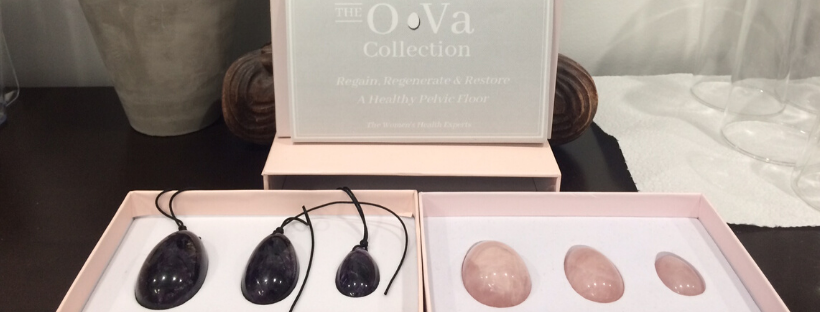
  • Pelvic floor management(Pilates, Kegels Exercises/Kegels balls, Vaginal stone eggs),
  • Urodynamics

For women who do not want to consider surgical options, adenomyosis requires a multimodality/team approach for ongoing management, treatment and support. In most cases it will need a combination of the therapies above, or all of them, in conjunction with medical interventions and medicines.

In nearly all cases, treatment and management is the same as endometriosis, except there needs to be more focus on the heavy bleeding symptoms. I always apply a multi-modality approach to assist all my patients who have adenomyosis, or endometriosis, or both combined.

Mild symptoms may be treated with over-the-counter pain medications, complementary medicines and supplements and the use of heating pads to ease pain and cramps. It is important to talk to your healthcare practitioner about treatment options to suit your individual needs and individual symptoms.

Outlook For Women With Adenomyosis

Adenomyosis is not a life-threatening condition, although if some symptoms, such as anaemia and emotional disturbances, aren’t managed properly, or early on, it could potential be life threatening. Many of the symptoms such as heavy bleeding, pelvic pain, pain with intercourse, anaemia and bladder and bowel issues can, and do negatively impact a woman’s life.

Women with adenomyosis are often anaemic and long-term anaemia can have serious health consequences. See my post of serious consequences of iron deficiency. Click here

Many women with adenomyosis, if not all, will need an iron infusion if their iron levels are low. See my post “Could you need an Iron Infusion?”

While surgical options such as hysterectomy can cure adenomyosis, there are both medical and complementary medicines available that may help alleviate the symptoms of adenomyosis.

Adenomyosis and associated symptoms can resolve on their own after menopause. If women have endometriosis as well, they will often require ongoing treatment and management after hysterectomy, as hysterectomy does not cure endometriosis. As mentioned previously, hysterectomy will cure adenomyosis.

Anyone with symptoms of adenomyosis should consult a medical specialist, a healthcare practitioner that specialises in adenomyosis and endometriosis.

Final Word

If you do need help and assistance with the management of adenomyosis, the please call my friendly staff to find out how I may be able to assist you. My motto is ‘no stone left unturned’ and I apply this to every person I see and help. I also have a network of other healthcare professionals I work with as well.

Regards

Andrew Orr

-No Stone Left Unturned

-Master of Women’s Health Medicine and Master of Reproductive Medicine

-The Endometriosis Experts (incorporating adenomyosis as well)


10 Common Mistake seen with

10 Common Mistakes Seen With Endometriosis

1 in 10 women are diagnosed with endometriosis and it often takes up to 10 years to be diagnosed. The number 10 seems to be a recurring theme. So, for this post I am going to talk about the 10 common mistakes seen with endometriosis. Hopefully this helps to create some more awareness about this horrible disease and helps those who are suffering, or have not been diagnosed yet.

Below are the ten common mistakes I see with endometriosis.

1. Believing surgery has cured their disease

Many people with endometriosis are often led to believe, or have been told, that once they have surgery that their endometriosis is cured.

There is no cure for endometriosis, so surgery is not a cure. Hysterectomy is not a cure either.

All surgery does is deal with the expressed disease and that is it. It does not prevent further regrowth of the microscopic implants of endometriosis that are waiting to express and develop into lesions again. While surgery is a very valid medical option to address acute pain caused by the disease, it is not a cure. It only helps with symptomatic relief.

2. Not doing follow-up management of the disease after surgery

We know that despite the best medical interventions that women with endometriosis often will still be in pain, or have further expression and regrowth of the disease.

As mentioned previously, surgery is a valid treatment option for acute pain and for when hormones and medications are not working. But, from my experience I do see many have the surgery and then are not doing any ongoing management, except for pain medications. This isn’t necessarily the person’s own fault either. Many are also poorly managed post surgery and are not aware that they will need ongoing management of their disease state. As mentioned, many are literally just unaware that their disease can, and will grow back without ongoing support and healthcare management. It is crucial that all women with endometriosis receive ongoing care and management of their disease from an appropriately trained endometriosis expert.

3. Endometriosis care requires a multimodality/team approach

There is no one single medicine, or modality, that can effectively deal with endometriosis and this is why a multimodality/team approach is needed.

Surgery is just one treatment approach, which is also needed to definitively diagnose the disease, and then for when the disease is acute and nothing else is working. But surgery alone is not adequate to deal with the disease as a stand alone therapy.

Endometriosis is estrogen driven so there does need to be some form of progesterone support to help suppress further expression of the disease. This can be in varying forms and something I will discuss in another post.

There also need to be support of the microbiome and working on the microcirculation to the pelvic area and reproductive organs. There also need to be ongoing emotional support and care such as counselling, or psychology

There also needs to be dietary changes (low inflammatory based diet), physiotherapy, exercise, complementary medicines, acupuncture, nutritional medicine other modalities. All of this can be done alongside ongoing medications and medical support. Each individual with the disease has different symptoms and will require different multimodality care and support, based on their individual needs.

4. Not seeing the right surgeon

I know I always talk about it, but this is because many who are suffering from endometriosis and the associated symptoms, just have not seen the right person in the first place.

In every profession there is good and bad. There are those who specialise in a certain area, and there are those who don’t. The same goes for medicine and the same goes for surgeons too.

When needing a diagnosis, or surgical intervention for endometriosis, it is imperative to see an advanced trained laparoscopic surgeon who specialises in the excision of endometriosis. This way you also know that this surgeon is not only advanced trained and highly skilled, but also specialises in endometriosis and every aspect of it.

Not all gynaecologists and surgeons specialise in endometriosis and some dabble in it and are not highly skilled in the actual surgical requirements to effectively excise the disease properly. Some surgeons do not even do excision surgery and tend to just to ablation only. This is not how you surgical deal with endometriosis.

These advanced trained surgeons also have to do a certain number of surgeries per year to attain the status of being advanced trained. Someone who does a few surgeries here and there is definitely not advanced trained. These advanced trained surgeons also do extra years of surgical training and are the best of the best and why anyone who is suspected of having endometriosis, or has endometriosis need to see these surgeons only.

Too many women are under-serviced surgical, by poorly skilled surgeons, who are not specialised in endometriosis and who are not advanced trained and this is where all the problems start. It can also lead to making the patient worse and only leads to further suffering and years of pain as a result. It also means that the advanced trained surgeons then have to fix up the mess these other surgeons created.

The hard thing is some women are limited by demographic and location when it comes to being able to see an advanced trained surgeon. Unfortunately most of them do private work, and any in the public system have long waiting lists and may only do one day a week public surgical lists. You may not even get to see them unless you see them privately first and they put you on there public waiting list.

5. Not seeking help and intervention early enough

There is two parts to this that need attention and need discussion. We know that it often takes up to 10 years (or more) to be diagnosed with endometriosis. This means that a hell of a lot of women are being missed and dismissed by GP’s, allied healthcare practitioners, complementary medicine practitioners, specialists and so forth. This isn’t meant to be negative, or an attack on any one profession. These are the facts and something that cannot be ignored. It also needs to be discussed.

Then we also have parents waiting way too long to seek help for daughters, using the wait and see if it will go away approach. I see this often and I am often getting asked if a parent should just wait and see if their daughters pain will magically disappear. I often have to point out that if my daughter was passing out, or laying on a bathroom floor crying with pain, I would not be waiting to see if it was going to go away. Early intervention is the key to any disease. The wait and see approach is often the reason many women end up with years of fertility issues and years of pain, and other associated symptoms of endometriosis. The longer a disease is left to spread, the more damage it does, and the harder it is to treat.

Teenagers are not too young to have endometriosis and we are now seeing young girls as young as 5 years old having endometriosis found.

The other issue we see if women who know that they have the disease, putting off seeing someone for fear of more surgery, or fear of being dismissed. Again, this only leads to further complications and disease growth and thing being harder to treat.

Once a woman has endometriosis, the reality is that she may need further surgical intervention. But, it is needed to help with symptomatic relief and reduce inflammatory response in the body. The other thing is that by going and seeing someone who specialises in endometriosis, they are trained to help you manage your disease properly.

There may also be some non-surgical options that can be used and help with symptoms and disease management as well. But, you need to go in the first place, to get the help you need. Please do not put off getting your health and disease state managed properly. If you are in a bad place with your disease, make sure you get on that phone and book yourself in with someone who specialises in endometriosis.

6. Trying to manage the disease by yourself

I’ve covered this a bit in the last statement, but so often I see women trying to manage endometriosis themselves. This only leads to a vicious cycle that keeps going around and around and nothing good ever comes of it. The disease does not get managed properly, the symptoms get worse and then it all becomes way harder to effectively treat and manage.

Sometimes if things are left too long, there can be permanent damage that is not repairable. This is definitely why people should not try to manage their own disease and symptoms themselves.

If your disease state and associated symptoms are out of control and you aren’t being managed properly, please get on that phone and book in to see someone as soon as possible. Do not put it off any longer. Now is the time to do something about it, not tomorrow, or next year.

7. Getting medical advice from support groups

I am a big advocator of anyone with a long-term health issue receiving emotional and physical support. It is a must. But, it needs to be via trained professionals who are specialised to help you properly.

While I am also a big fan of support groups, I am not a fan of non-medically trained, non-healthcare people giving healthcare and medical advice to people within these groups. I love seeing the emotional support in these groups, but I don’t love it when I see people getting medical advice about medications, hormones and medical procedures. This is dangerous. I’ve even seen advice given on how to take ones own IUD out and this is when I have to speak out.

By getting medication advice, medical advice, surgical advice and any other healthcare advice from someone who is not appropriately trained, you are actually putting yourself in great danger. Please do not take the advice of anyone who is not a healthcare practitioner, or a specialist in endometriosis. Sure, get the emotional support from like minded people, and people who understand what you are going through, but leave it there.

The other thing is just being careful of not getting caught up in some of the negativity of some groups, where you also then start to focus and become your disease. You are not your disease and to move forward you need proper healthcare and lots of positivity.

8. Letting pain and associated symptoms get out of hand

Some of this I’ve also spoken about, but this is one thing I see often as well. Many people are at a point of self-managing with pain medications that are not working effectively any longer. This then leads to increased reliance and dependence of pain medications and it can also lead to increase pain and associated symptoms.

I have talked about pain medications and the withdrawal affects in previous posts. I have also talked about how increased pain medication use can actually cause pain and lead to further inflammation in the body. I have also talked about the addiction of pain medications too. It is a catch 22 situation. (Click here to see previous posts mentioned)

The point I am trying to make here is that if your pain levels and associated symptoms are getting out of hand, then you need to do something about it. Please do not try and manage your pain and symptoms on your own. Increasing your medications can have detrimental effects on your body and long term health consequences.

If you have to increase your pain medications, it means something is drastically wrong and that your pain levels need urgent professional attention. Your endometriosis expert/specialist is trained to help you get your pain levels and associated symptoms managed properly.

There may also be something else going on that could be sinister and require urgent medical attention. Never presume that all your symptoms are related to your disease. Seeking proper medical health and ongoing management, could just save your life.

9. Buying into the label and letting your disease own you

Having a chronic health condition myself, I know all too well how easy it is to fall it the trap of buying into the label of the disease. I also know all too well by doing this, you are letting the disease own you.

I also understand how hard it is on the bad days, not to get down about everything and think that there is no help, and how unfair things are. Yep, I truly get it. But, I also know that the more one focuses on the negative, and constantly lives in the disease state, the harder it is to truly move forward and get better.

Our thoughts and being negative can exacerbate pain pathways and they can also disrupt the healing pathways as well. If you listen to people that have overcome and illness, or a disease, they will always tell you it was by getting the right help and being positive. Positive mental outlook is very underrated in healthcare and its healing effects.

This is why I sometimes mention about being careful in certain support groups, where the focus is constantly on the disease, the label, and the negative. It isn’t good for anyone when that is all you hear. You need support, but you need to surround yourself with positive people, see the right healthcare team and also remember that you are not your disease, and it does not own you.

10. Believing that there is no help out there

I know many people have had a hard time and some have really had a terrible journey getting to where they are now. It is one of the reasons I am so big on giving people the facts about this horrible disease and trying to help women get the proper help they need. It is also the reason I do what I do now.

Having lived with a chronic disease and having dealt with my share of really bad experiences, I know all too well what many of you have been through. I thoroughly get it and I understand on all levels.

While many people have been missed and dismissed and many have seen their fair share of terrible healthcare practitioners, I do need to point out that there are some very good ones also. Never let your last experience by carried over with you. Not all healthcare practitioners are bad. There are actually some amazing practitioners out there who are experts in endometriosis.

Like I have said before, in every profession there is good and bad and this is why it is important to do your homework. Don’t just go off a friend’s recommendation, or some recommendation from your mother. Do your homework and make sure the person you are seeing actually specialises in your disease. You also need to be realistic that you need a multimodality team approach, and that you may need to see a few practitioners within a network of specialists.

When you do find someone you think may fit the profile of a true endometriosis specialist, make sure when you see them that they take a full history, listen to all your concerns, give you appropriate care and advice and are empathetic in helping you move forward with appropriate care and health management.

The one thing I tell people is to not go in with a negative attitude based on previous bad experience either. This can then lead to further angst and anxiety and could get a good practitioner offside too. At the same time, while you need to not take your last experience with you, you do need to make sure the person you are seeing is right for you. It is all about balance and not judging each person you see as being the same.

But, if the person you do see has no idea, then don’t be scared to say “Thanks, but not thanks” and be on your merry way. There is no harm in getting multiple opinions and the honest truth is that is what you need to do. Never just take ones person’s advice and be done with it. Get a second, or third, or tenth opinion if you have too.

Last, but not least, if you are struggling and are at a point you believe there is nobody to help you, please remember there is always someone out there. Never give up hope about that. There are some amazing people out there who will know how to help you properly and get you the help and care you need. You just need to find them. There are endometriosis experts out there and when you find them, they will help you.

Final word

If you do need help and assistance with endometriosis, or need help getting diagnosed properly, please give my staff a call, or send an email, and find out how I may be able to assist you. I do consultations in person and online as well. There are some conditions with online consultations, but my staff will explain all this too you. You may also need to come and see me in person, so I can make sure you get all the appropriate investigations and testing done too. I also have a team of experts I work and refer to as well. I do see people from all over Australia, far and wide, and some from overseas as well.

Take care

Regards

Andrew Orr

-No Stone Left Unturned

-The Endometriosis Experts


Microbiome Restore Protocol

Dr Andrew Orr’s Microbiome Restore Protocol

The Purpose Of The Microbiome Restore

Many inflammatory health conditions can be linked to compromised microbiome and poor gut health. There is now good research and evidence to show the importance of microbiome restore.

Within these poor health states, there is often an overgrowth of “bad” bacteria within your gut. This is a crucial part of treatment for these ailments to restore the microbiome and replenish the “good” bacteria. Ressearch has also linked poor gut health to many mental health conditions.

There are many things that impact the microbiome. Refined food commonly found in the typical Western diet, stress, alcohol, drugs, medications, hormones and many other things fosters the growth of this “bad” bacteria, causing inflammation and what we know as ‘dysbiosis’.

Dr Orr’s Microbiome Restore Protocol aims to reduce the intake of these refined foods and others things that impact the microbiome, and and instead foster the growth of “good” bacteria.

The Eating Plan

This eating plan is based on Dr Andrew Orr’s Primal Ancestral Clean Eating (PACE) diet.  It does allow quite a range of foods, so you shouldn’t have any trouble eating at home, or out anywhere. It is important to note that this is not a “diet.” This is simply the way we are supposed to eat.

2 Phase Microbiome Restore Protocol

Prior to starting the microbiome restore will also need to complete some health questionnaires and have a half hour consultation with Dr Andrew. The health questionnaire need to be fully completed and sent back prior to your consultation. All the relevant information will be supplied to you when you enquire, or book your consultation.

Alongside the PACE diet, this Microbiome Restore Protocol also involves supplementation that is set out in two phases. Both phases need to be completed in order to achieve working results.

Please note that the supplements prescribed as part of the microbiome restore protocol are practitioner only prescribed supplements which will require a consultation before they can be prescribed.

Phase 1 – Removal of Bad Bacteria & Gut Lining Repair

The first phase aims to restore the gut lining, remove bad bacteria and microbials, and create an environment in which good bacteria can thrive. Phase 1 will not need to be repeated (unless you wish you repeat the process in the future). It lasts for approximately 4 weeks, or until all of the products are finished. After that, you move on to phase 2 which then is also the maintenance phase.

Phase 2 – Replenishing the Microbiome & Good Gut Bacteria

After removing the bad bacteria, repairing the gut lining, and laying down a foundation for the good bacteria to grow, you will need to recolonise your gut with good bacteria. Strain specific bacteria are used and it will depending on the individual which probiotic strains are used.

Phase 2 aims to replenish the good gut bacteria through the use of Pre and Probiotics. This phase will be ongoing and used as maintenance for your condition. It is extremely important to continue your intake of Pre and Probiotics to ensure proper colonisation of good bacteria and restore on the microbiome.

Important Things To Note

It is important to note that the results of doing the microbiome restore could take months to come into effect and for there to be adequate good bacteria colonisation. It is likely that if you have been recommended to take part in this protocol, that your microbiome is quite compromised due to years of consistent damage. Because of this, it will likely take quite a while to properly restore the microbiome back to equilibrium. This is done by way of continuing with your prebiotics and strain specific healthy bacteria,  to get back on track and eventually feel healthier.

As mentioned previously, many things can impact gut bacteria including stress, alcohol, diet, etc. so it is important to be mindful of this and what you expose your body to on your pathway to recovery.

A good way to think of a damaged microbiome is like any other damaged organ or bone in the body. A broken bone, torn ligament, or damaged internal organ is not likely to heal overnight. It can take months or even years of recovery, rehabilitation or medicinal therapies to get on top of it. The same applies for your digestive tract. It is no exception to the rule in regards to healing time within your body. The best results come when people are consistent in sticking to their treatment plan, and are realistic about time frames and outcomes.

Next Step Is Book Your Consultation

If you need help with restoring your microbiome for better health, then please give my clinic staff a call and find out how my Microbiome Restore Protocol may be able to assist you on the pathway to better health. There are options for online, or in person consultations. Conditions may apply to online consultations.

For further information please call +61 07 38328369, or email info@drandreworr.com.au

References

  1. Walker A, et al. Phylogeny, culturing, and metagenomics of the human gut microbiota. Trends Microbiol. 2014;22:267–74.
  2. Collado MC, et al. Role of commercial probiotic strains against human pathogen adhesion to intestinal mucus. Lett Appl Microbiol. 2007;45(4):454-60.
  3. Leahy SC, et al. Getting better with bifidobacteria. J Appl Microbiol. 2005;98(6):1303-15.
  4. McFarland LV. Systematic review and meta-analysis of Saccharomyces boulardii in adult patients. World J Gastroenterol. 2010;16(18):2202-22.
  5. Jahn HU, et al. Immunological and trophical effects of Saccharomyces boulardii on the small intestine in healthy human volunteers. Digestion. 1996;57(2):95-104.
  6. Jahn HU, et al. Immunological and trophical effects of Saccharomyces boulardii on the small intestine in healthy human volunteers. Digestion. 1996;57(2):95-104.
  7. Dahan S, et al. Saccharomyces boulardii interferes with enterohemorrhagic Escherichia coli induced signaling pathways in T84 cells. Infect Immun. 2003;71:766-773.
  8. Hsieh H. Versalovic J. The human microbiome and probiotics: Implications for pediatrics. Curr Probl Pediatr Adolesc Health Care. 2008;38(10):309–327.
  9. Lam EK, et al. Enhancement of gastric mucosal integrity by Lactobacillus rhamnosus GG. Life Sci. 2007;80(23):2128-36.
  10. Seth A, et al. Probiotics ameliorate the hydrogen peroxide-induced epithelial barrier disruption by a PKC- and MAP kinase-dependent mechanism. Am J Physiol Gastrointest Liver Physiol. 2008;294(4):G1060-9.
  11. Gibson GR. Roberford M. Dietary modulation of the human colonic microbiota: introducing the concept of prebiotics. J Nutr. 1995;125:1401-1412.
  12. Fastinger ND, et al. A novel resistant maltodextrin alters gastrointestinal tolerance factors, fecal characteristics, and fecal microbiota in healthy adult humans. J Am Coll Nutr. 2008;27(2):356-66.
  13. Raninen K, et al. Dietary fiber type reflects physiological functionality: comparison of grain fiber, inulin, and polydextrose. Nutr Rev. 2011;69(1):9-21.
  14. Robison LE. Reeves S. EpiCor® and its immune effects on gut health. Embria Health Sciences, LLC. [Online]. No date. Available from: http://www.embriahealth.com/upload/pdf/EpiCor%20Science%20%20EpiCor%20and%20its%20Immune%20Effects%20on%20Gut%20Health_FINAL.pdf [Cited 16/02/13].
  15. Jensen GS, et al. Antioxidant bioavailability and rapid immune-modulating effects after consumption of a single acute dose of a high-metabolite yeast immunogen: results of a placebo-controlled double-blinded crossover pilot study. J Med Food. 2011 Sep;14(9):1002-10.
  16. Bartoli, C., Frachon, L., Barret, M., Huard-Chauveau, C., Mayjonade, B., Zanchetta, C., … & Roux, F. (2018, May 30). In situ relationships between microbiota and potential pathobiota in Arabidopsis thaliana. The ISME Journal. Retrieved from https://www.nature.com/articles/s41396-018-0152-7#article-info
  17. Berg, R. D. (1996). The indigenous gastrointestinal microflora. Trends in Microbiology, 4(11), 430-435. Retrieved from https://www.sciencedirect.com/science/article/pii/0966842X96100573
  18. Carpenter, S. (2012, September). That gut feeling. Monitor on Psychology, 43(8), 50. Retrieved from http://www.apa.org/monitor/2012/09/gut-feeling.aspx
  19. Clapp, M., Aurora, N., Herrera, L., Bhatia, M., Wilen, E., & Wakefield, S. (2017, September 15). Gut microbiota’s effect on mental health: The gut-brain axis. Clinics and Practice, 7(4), 987. Retrieved from https://www.ncbi.nlm.nih.gov/pmc/articles/PMC5641835/
  20. NIH Human Microbiome Project. (n.d.). Retrieved from https://hmpdacc.org/
  21. Shepherd, E. S., DeLoache, W. C., Pruss, K. M., Whitaker, W. R., & Sonnenburg, J. L. (2018, May 9). An exclusive metabolic niche enables strain engraftment in the gut microbiota [abstract]. Nature, 557, 434-438. Retrieved from https://www.nature.com/articles/s41586-018-0092-4
  22. The Human Microbiome Project Consortium. (2012, 14 June). Structure, function and diversity of the healthy human microbiome. Nature, 486, 207-214. Retrieved from https://www.nature.com/articles/nature11234
  23. Ursell, L. K., Metcalf, L., K., Wegener Parfry, L., Knight, R. (2012, August). Defining the human microbiome. Nutrition Reviews, 70(Suppl 1), S38-S44. Retrieved from https://www.ncbi.nlm.nih.gov/pmc/articles/PMC3426293/