Cartoon sperm

Sperm Quality and How To Took After It

More often than not, women are often told that is their egg quality, or some gyneacological factor is the cause of not being able to conceive. But, in truth, more often than not, it is actually the sperm quality that is at fault, or in combination. Fertility issues are not just a woman’s cross to bare.

Men are 50% of the fertility equation and up to 85% of miscarriage issues can be related to chromosomal and DNA factors relating to poor quality sperm in men.

To be honest, men often think that they have this inherent right to conceive and often believe there is nothing wrong with their sperm, despite never being tested. Many often avoid being tested and will often make great claims as to why they should not be tested either.

As part of proper fertility assessment, both the man and the woman need to be evaluated, not just the female.
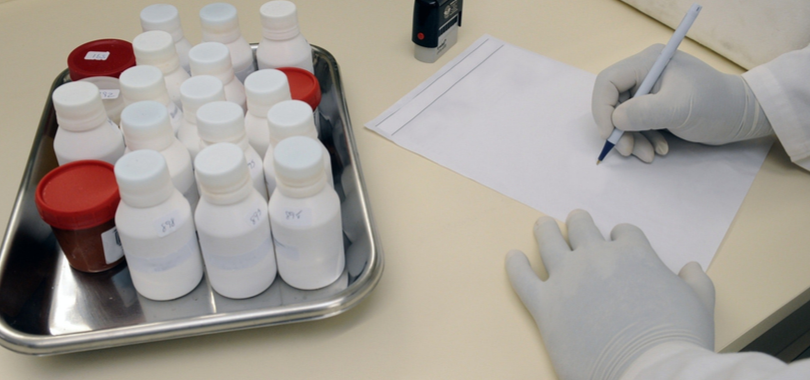
A man will need to have a comprehensive semen analysis done and may also need further testing such as DNA fragmentation analysis, or a sperm chromatin assay. There will also be further genetic testing needed as well.

A semen analysis is really on a basic test that lets us know what the sperm look like and if they have 2 heads, 2 tails and may be swimming in circles. The fact is, that many men’s sperm quality is substandard and their sperm is actually not in a good shape at all. Recent research and statistics have shown that the male sperm quality has fallen by as much as 70% in the last 60-70 years.

There are many things that can affects a male sperm quality such as:
1. Steroids and recreational drugs
2. Alcohol
3. Smoking (including recreational drugs)
4. Chemicals
5. Drugs (pharmaceutical and illegal)
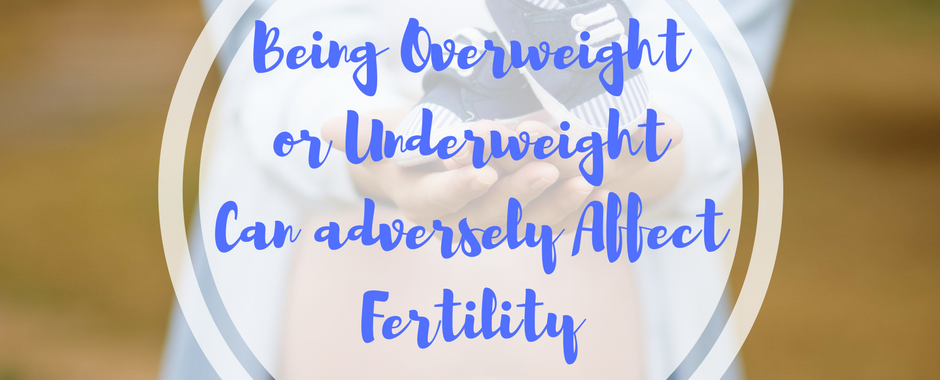
6. Being overweight and too much body fat
7. Age

These are to name just a few. There are also genetic and hereditary issues that need to be checked as part of proper fertility evaluation as well.

More often than not these days, men are the bigger part of the issue when it comes to not being able to have a baby. Men are often also overlooked as part of the issue as well, which is actually not good ethical practice.

Many couples are also quick to tell me, or other healthcare practitioners, that the man’s sperm is fine, or they have been told it is fine, when actual fact it is not. OK, or fine for IVF purposes does not mean that the sperm is fine. It is very rare to see a man that is having troubles conceiving a baby with his partner that has sperm that is fine. That is the truth.

If you have been trying to conceive for a long time (and not being able to conceive) and the male has not been checked properly, or on some kind of lifestyle and preconception care plan, then in might be time you looked into that.

If you do need help with preconception care and getting your eggs and sperm more healthy, then enquire about my fertility program that has helped over 12,500 babies into the world and counting.

In the mean time have a look at this great fact sheet about your sperm and how to look after them at yourfertitity.org.au and put together by Andrology Australia.

Take care

Regards

Dr Andrew Orr

-No Stone Left Unturned

-Master of Reproductive Medicine and Women’s Health Medicine

-Women’s and Men’s Health Advocate

01 Dr Andrew Orr 1

pregnancy 1410705 1920

Why Excess Body Fat and Obesity is The Enemy of Fertility

Excess body fat and obesity is the enemy of fertility and it is something that needs to be talked about. Despite what anyone tells you, being overweight, or being obese significant affect on fertility and it can also affect the future health of offspring. This is a fact and we need to talk about it more and bring more awareness to this subject. This is why I have been focusing on this very important subject a lot more lately.

At present up to 70% (or more) of Australians are either overweight, or obese, so we can no longer ignore what the consequences of these statistics mean. We know that excess weight and excess body fat is linked to serious health consequences, but we need to talk about how it affects fertility and decreases the chances of obtaining a live birth.

Overweight, or obese men and women have higher levels of body fat and higher levels of the hormones leptin. As I have mentioned in previous posts, this excess body fat is also now referred to as obestrogens, as they cause the same health consequences as environmental estrogens (known as endocrine disruptors). These excess body fats and higher levels of leptin do impair production of sex hormones and also reduces fertility. It can also lead to poorer sperm quality, poorer egg quality and can also increase the risk of miscarriage. The more excess body fat, the greater the risk of fertility difficulties a couple will have. This is a fact. Despite what your specialist, your doctor, Dr Google, or your own mind tells you, this is a fact and we need to start being real about it. It isn’t about fat shaming either. It is to help people who are struggling with fertility and to help them seek the help they need to have a baby.

Excess body fat, especially excess abdominal fat is also linked to insulin resistance, metabolic syndrome and other health issues. It also interferes with the regulation of sex hormones and sex hormone binding globulin (SHBG).  This can then increase the risk of irregular cycles, PCOS, endometriosis, sperm quality issues, miscarriage and other factors affecting fertility.

While the facts around excess body fat, excess weight and obesity are very real and can often seem overwhelming, there is some good news for couples that are overweight and obese.

Dietary and lifestyle changes and fat loss interventions which also includes exercise, can significantly improve fertility outcomes. It can also help with regular menstrual cycles, PCOS, endometriosis, sperm issues, egg quality, mental health and many other health issues. It definitely improves the chances of pregnancy and lessens the chances of miscarriage.

Research has shown that fat loss of up to 7%, for those that are overweight, achieved by diet, exercise and lifestyle changes, can improve overall health, fertility and improve chances of a successful live birth.

There is no fast track, or easy way to lose excess body fat and people need to face the facts, face reality and just get in a do it. The best ways to do this are as follows:

Seek the help of trained healthcare professionals that can help you with dietary and lifestyle changes and can help monitor you and support you rather than blaming and shaming. It also helps to hold you accountable and keep you motivated.

Do any dietary, exercise or lifestyle changes as a couple. It is much easier if you both do it and can support each other in any changes. You can also hold each other accountable and also see the changes in each other.

Set realistic goals and be realistic about how long things will take. It is no use setting unrealistic goals and having an unrealistic perception of how long things will take to change it your body. This will only set you up for failure and chances of rebounding. It is about one day at a time and one step at a time.

Seek the help of a trained healthcare professional to educate you on what good nutrition, good dietary and lifestyle habits are. The more educated you are about what a good diet is, the better your chances are of eating the right foods and achieving your fat loss goals

You need to exercise as well. Diet changes alone will only help to a point and you do need to do some form of resistance work to help burn fat. While walking is great, it doesn’t burn fat and increase lean muscle like resistance exercise (weights etc) can. You may even need to see a personal trainer to get yourself started and be held accountable.

Have access to fresh foods and means to increase your levels of physical activity. It is important to have access to good fresh foods and stay away from the processed and refined foods. You also need to have ways of exercising and keeping your body active and burning fat.

It is all about perception versus reality. You need to be real about your weight, your body fat and then set realistic goals to lose the excess body fats. Just remember it is about being proactive. Nobody is going to do this for you, but they can help encourage you to be healthy and make better dietary and lifestyle choices.

Lastly, men and women are twice as likely to achieve healthy weight and waist range and proper dietary and lifestyle choices if their partner does it too. The journey to having a baby requires a couple to do it and the same goes for weight loss and achieving healthy body fat and healthy waist range too.

Take care

Regards

Dr Andrew Orr

-No Stone Left Unturned

-Master of Reproductive Medicine and Women’s Health Medicine

-Women’s and Men’s Health Advocate

01 Dr Andrew Orr

obesity 3247168 1280

Excess Weight and Male Fertility

It has long been known that for men, being overweight, or obese, is associated with lower fertility and poor sperm quality. We know that excess body fat causes inflammation in the body, but it is also known to cause the following:

  • Hormones Problems
  • Sexual Dysfunction
  • Erectile Dysfunction
  • Type 2 Diabetes
  • Sperm Quality Issues
  • Heart Disease
  • Sleep Apnoea
  • Lower Testosterone
  • Other Health issues.

It is now known that carrying an extra 10 kilos can reduce male fertility by between 10-50%. This is exactly why all men need to take their health, their body fat and their weight more seriously when trying to conceive.

A review of studies about the effects of paternal obesity on reproductive outcomes found that overweight, or obese men were more likely to experience fertility issues and less likely to have a live birth if they and their partner used assisted reproduction technology (ART) – (IVF, ICSI, IUI etc).

The reason being is because the extra body fats are known to be estrogenic (known as obestrogens) which not only reduce sperm quality, but also changes the DNA, the physical shape and molecular structure of sperm cells.

This is why all men need to look at preconception care and lifestyle changes for trying to have a baby, but also their future health and their future offsprings long term health as well.

Take care

Regards

Dr Andrew Orr

-No Stone Left Unturned

-Master of Reproductive Medicine and Women’s Health Medicines

-Women’s and Men’s Health Advocate


IVF cover image

Let’s Talk About Why IVF Cycles Fail

Let’s talk about why IVF cycles fail because it is a very common question that is asked when a cycle fails. Often there will be no conclusive answer and often when I am asked this, I have to say the old saying “How long is piece of string?”

The reason I say this is that there are so many factors involved with a cycle failing. It could be from following

  • poor egg quality
  • poor sperm quality
  • age of the couple
  • genetic factors (diagnosed, or undiagnosed)
  • hereditary issues
  • DNA and chromosomal issues
  • a non-receptive endometrium
  • dietary and lifestyle factors
  • weight factors (excess or too little weight)
  • emotional factors, or mood disorders
  • stress
  • incorrect hormone therapy
  • medications
  • human error
  • lab errors
  • many other factors in the IVF process.

I wish it was as easy as putting a sperm and an egg together and it just happening. I know many couples do look at it this way, but there is so much more to the whole process of conception. I know it is often hard to understand, but no google search is going to tell you all of this and you would need years of study to completely understand the whole process. Plus IVF is still only a young form of medicine and it still evolving.

This is why IVFsuccess rates are still relatively low. We just do not have the technology yet to tell us which embryo will go on to become a baby. If we had that, then there would be a much higher, if not near 100% success rate. The reality is that type of technology may never be available, or would be many many years off. We can only hope.

The other thing I explain to couple is that sometimes it is literally the IVF process hindering a couples chances of success, by not having the right protocol, or right team helping them.  I could go on and on because there are so many factors that could affect a cycle and someones chances of conceiving. This is why I use the term “How long is a piece of string?”

This is why I do what I do and explain all of this and more to all my patients as part of my fertility program. I am literally there to hold their hands every step of the way and explain everything in detail each step of the way as well. I will always make sure everything is done properly and even go into bat for them and step on toes if I have too. My patient’s come first always.

What is required for a successful pregnancy?

At least three things are required for a successful pregnancy during in an vitro fertilization (IVF) cycle:

  • a healthy embryo
  • a receptive endometrium
  • careful transfer at the proper time in the cycle

There are things other things such as the right diet and right nutrients and right emotional state for the couples and proper preconception care, but for now I am just talking about a successful embryo transfer on a medical level. Firstly I will discuss the IVF process.

IVF has improved significantly in its almost 40-year history. Different types of hormone and fertility drugs have been developed that are easier to administer and are associated with an improved safety profile. In addition, numerous stimulation protocols are available that allow us to individually tailor treatments. For example, ultrasound-guided embryo transfer using soft catheters and embryo glue (enzyme to assist implantation) has also helped with ensuring better placement of the embryo, without trauma to the endometrium, but very few clinics are actually doing this. Tests can also be used to evaluate the receptivity of the endometrium in order to determine the best time to schedule the transfer.

Despite all these improvements, however, implantation and pregnancy rates with IVF only slowly increase year after year.

Achieving Implantation-The hardest step

The rate-limiting step of IVF is implantation. It requires the proper interaction of a healthy embryo and a receptive endometrium. It often fails due to problems with the embryos. The genetic health of the embryo depends on both its inherited genetic material and on the errors and repairs during the cell divisions.

A chromosomally abnormal (anuploidy) embryo is unlikely to implant, and when it does it is likely to be lost early on. Many embryos that are transferred have chromosomal abnormalities, even if they look fine on the outside, or are classified as being the best grade prior to transfer. We need people to understand that just because and embryo has reached Blastocyst, or Morella stage and it looks like a good quality embryo from the outside, it does not mean that the inside and the chromosomes inside the embryo are OK. Not every fertilised egg will result in a genetically sound embryo that will go on to become a baby.

DNA & Chromosomal When Sperm and Egg Combine

We also need people to realise that an embryo is made up the genetic material of two people and that requires the sperm to be healthy both outwardly, but also chromosomally, and this can change with each batch of sperm ejaculated. Sperm quality and the viability of sperm changes and just because something was “OK” last cycle, or two years ago, or last month, or last week, does not mean that it is OK now.

Unfortunately people need to face the reality of what happens with the body and reproduction. The health of the sperm is also reflected in the health and lifestyle and age of the male too. Unhealthy males produce unhealthy sperm and higher levels or sperm with chromosomal abnormalities and damage to the DNA. Unless you are testing every batch of sperm for DNA and chromosomal abnormalities, you aren’t going to see this and even then, testing can only see so much.

A healthy embryo (Euploidy embryo) also requires a female to be healthy and her eggs to be health chromosomally and on a DNA level. It also requires a healthy male for his sperm quality to be healthy on a DNA levels as well. Egg and sperm quality is also related to age, diet, lifestyle, environment, and exposure to environmental disruptors, weight, body fat, stress and so many other factors.

We need people to be aware of this. Then when you put two unhealthy people’s genetic and reproductive material together, there is a high likelihood that it will produce higher numbers of abnormal embryos, and sometimes it can be all of them. It all depends on the health of the sperm and health of the eggs at time of fertilisation. Even then we can still have random errors in chromosomes and DNA and this then produces faulty embryos. Again this is a hard process to explain and again Dr Google isn’t going to tell you this.

Pre-implantation Genetic Diagnosis/Screening (PGD/PGS)

Various methods of genetic testing of embryos have been evaluated in past decades. During the early days of PGD/PGD many embryos were lost in this form of screening. Today it is more routine and more perfected.  One can test the chromosome content of the polar bodies, but a cleavage-stage embryo (day 3 of development) or a blastocyst-stage embryo can be evaluated as well. In addition, various techniques  are available for assessing the chromosomes.  There are also new testing and new technologies that have addressed the shortcomings of these earlier tests.

The authors of a recent systematic review concluded that comprehensive genetic screening of embryos using day 5 blastocyst biopsy is associated with increased implantation and pregnancy rates. In addition, this technology appears to be a good tool to limit the number of embryos transferred. But embryos can still be tested early on in their development, with good results, too.

Most experts recommend genetic testing of embryos in women with advanced reproductive age, recurrent implantation failure, recurrent pregnancy loss, or severe male factor infertility/DNA issues. This then gives a greater probability of transferring a chromosomally normal embryo and having a higher chance of implantation and pregnancy occurring. But even a chromosomally normal embryos doesn’t ensure a pregnancy. This is often the hardest thing for people to get their heads around. To be honest, much of this comes down to luck and is really in the hands of the gods. Again this is often not told to people and no google search is going to tell you this either.

Preconception care increases chances of conceiving

But what you can do to ensure healthy egg quality, healthy sperm quality, healthy embryo quality, healthy uterine lining, decreases stress levels, optimal health at time of transfer etc, is doing proper preconception care as part of proper fertility program.  There is now growing evidence that the health of both parents before and at the time of conception influences the chances of conceiving and the short and long term health of the future offspring. (9,10,11,12,13,14,15)

This is why I offer couples a program to go over everything they need to know and everything the need to do prior to trying to conceive or trying to embark on the next IVF cycle. It is about getting the couple as healthy as possible and their bodies as ready as possible to give them the best chances of success. I always explain to people that preparing for an IVF cycle is like preparing for a marathon. If you do the work and get the body ready, it gives you a better chance of making it to the finish line.

If you are having trouble falling pregnant, or are having failed IVF cycle, then give my clinic a call and find out more about how my fertility program may be able to assist you achieving success of having a baby. So far my program has helped over 12,500 plus babies into the world and counting. It doesn’t matter if you are starting the journey, or well on your way into the journey or trying to have a baby. You can also do a meet and greet appointment to find out more about the fertility program before you commit to the whole program.

Take care

Regards

Andrew Orr

-No Stone Left Unturned

-Master of Reproductive Medicine and Women’s Health Medicine

-Women’s and Men’s Health Advocate

01 Dr Andrew Orr 1

References

  1. Mains L, Van Voorhis BJ. Optimizing the technique of embryo transfer. Fertil Steril. 2010;94:785-790. Abstract
  2. Society for Assisted Reproductive Technology. Clinic Summary Report. https://www.sartcorsonline.com/rptCSR_PublicMultYear.aspx?ClinicPKID=0Accessed April 27, 2015.
  3. Staessen C, Platteau P, Van Assche E, et al. Comparison of blastocyst transfer with or without preimplantation genetic diagnosis for aneuploidy screening in couples with advanced maternal age: a prospective randomized controlled trial. Hum Reprod. 2004;19:2849-2858. Abstract
  4. Mastenbroek S, Twisk M, van Echten-Arends J, et al. In vitro fertilization with preimplantation genetic screening. N Engl J Med. 2007;357:9-17. Abstract
  5. Yang Z, Liu J, Collins GS, et al. Selection of single blastocysts for fresh transfer via standard morphology assessment alone and with array CGH for good prognosis IVF patients: results from a randomized pilot study. Mol Cytogenet. 2012;5:24.
  6. Scott RT Jr, Upham KM, Forman EJ, et al. Blastocyst biopsy with comprehensive chromosome screening and fresh embryo transfer significantly increases in vitro fertilization implantation and delivery rates: a randomized controlled trial. Fertil Steril. 2013;100:697-703. Abstract
  7. Forman EJ, Tao X, Ferry KM, et al. Single embryo transfer with comprehensive chromosome screening results in improved ongoing pregnancy rates and decreased miscarriage rates. Hum Reprod. 2012;27:1217-1222. Abstract
  8. Scott RT Jr, Upham KM, Forman EJ, et al. Cleavage-stage biopsy significantly impairs human embryonic implantation potential while blastocyst biopsy does not: a randomized and paired clinical trial. Fertil Steril. 2013;100:624-630. Abstract
  9. Buck Louis, G. M., et al. (2016). Lifestyle and pregnancy loss in a contemporary cohort of women recruited before conception: The LIFE Study. Fertility and Sterility, 106(1), 180-188. doi: 10.1016/j.fertnstert.2016.03.009
  10. Chiu, Y.-H., Chavarro, J. E., & Souter, I. (2018). Diet and female fertility: doctor, what should I eat? Fertility and Sterility, 110(4), 560-569. https://doi.org/10.1016/j.fertnstert.2018.05.027
  11. Day, J., et al. (2016). Influence of paternal preconception exposures on their offspring: through epigenetics to phenotype. American Journal of Stem Cells, 5(1), 11-18
  12. Homan, G. F., Davies, M. J., & Norman, R. J. (2007). The impact of lifestyle factors on reproductive performance in the general population and those undergoing infertility treatment: a review. Human Reproduction Update, 13(3), 209-223.
  13. Nassan, F. L., et al. (2018). Diet and men’s fertility: does diet affect sperm quality? Fertility and Sterility, 110(4), 570-577. https://doi.org/10.1016/j.fertnstert.2018.05.025
  14. Salas-Huetos, A., et al. (2017). Dietary patterns, foods and nutrients in male fertility parameters and fecundability: a systematic review of observational studies. Human Reproduction Update, 23(4), 371-389. doi: 10.1093/humupd/dmx006
  15. Sharma, R., et al. (2013). Lifestyle factors and reproductive health: taking control of your fertility. [Review]. Reprod Biol Endocrinol, 11(66), 1477-7827.

Understanding Why Hysterectomy Does Not Cure Endometriosis

Hey everyone. I’ve just recently put up a post about the facts about why hysterectomy does not cure endometriosis.

It seems this is a very contentious issue and many people are not understanding the facts, or how endometriosis presents in the body. I also think that some people just haven’t read the actual article, as I do explain all of the reasons why.

But, it does seem some people are still not getting the reasons why, or have been told the wrong things. As usual, I am here to give the facts and this is what I am here to do with this post.. Give the facts.

I am sorry for many of the journeys you have been on too and that some of you are not being listened too as well. That is why I am here. To raise awareness and give the facts and help women with endometriosis have a voice.

This is to also raise awareness about adenomyosis too. Many really do not realise that they have this disease state, or have it coinciding with endometriosis as well.

So, I have done up the video blog to explain things in more detail and hopefully it helps all of you understand things better. It is also so people can see a visual explanation and see why hysterectomy will not “Cure” endometriosis.

question 2415069 1920

What Registered Practitioners Can and Cannot say on Social Media and Advertising

Dr Andrew Orr is often asked many questions while online in various social media platforms and often cannot respond the way people would like him to.
What many people do not realise is that Registered Healthcare practitioners are governed by strict laws around what they can, or cannot say on social media, or various forms of advertising. This also includes what they can, or cannot say on their websites too.

Dr Orr has a quick discussion around this so people realise why registered healthcare practitioners have to respond in certain ways, or why they cannot give advice when asked. I hope this helps everyone understand why.

bread 821503 1920

Give us this day our daily…..Bloating

Many people do not realise that the cause of their daily bloating may in fact start with their daily consumption of bread.

I always used to comment that when I was in travelling through Asia and eating all the great fresh foods over there, that I was feeling really good. I never got that bloated feeling that most people often get each day.

On arriving back home, I would always suddenly start to get stomach cramps and bloating for no reason. I find this quite ironic as most people have a perception that you are going to get food poisoning etc if you go overseas. I have never ever been sick in all the years of travelling there. Actually it is always the opposite, I always feel better when I eat the foods there.

Having ruled out bugs and parasites etc, I was starting to go a bit crazy as to what was going on. Then one day I didn’t get the bloating anymore.

What did I do that day?

Was it a virus just getting out of my system, or was it a food that I missed that day?

Then it all dawned on me that I had not eaten bread that day. I’m not a big bread eater anyway, but the next day I tried out my theory and ate some bread. Bingo!

I had bloating and pains all day again. So much for supposedly being a healthy staple food. While travelling in Asia, I didn’t have bread or many refined foods at all and that is probably why I always feel better when I go there.

Many people suffer bloating caused by bread

Actually many people suffer from bloating each day, caused by bread, and some suffer it quite severely. Some to the point that they actually look pregnant with it. Many people’s bloating and weight issues are caused from over consumption of bread and other refined flour foods. Many people lose weight just by giving up bread alone. The sad fact is many people continue to eat bread even when they know it is causing them bloating and pain etc.

When you look at the average Australian diet, we live on the stuff. Toast in the morning, sandwiches at lunch and sometimes we have bread with our dinner too. In this day and age, there is no reason to eat as much bread as we do. There are so many more healthy food alternatives available to us today, but we all go for the gut filler and bloater every chance we get. It’s quick and it makes you feel full, temporarily anyway.

Bread is just a filler to help you fill full

Actually if you look at the history of bread, it was born through poverty. It was born out of necessity when there was no other foods around and it gave the perception of being full. The trouble is the first breads were semi good for you as they were very dense and full of whole grains. Not this refined rubbish, full of chemicals and additives, that make it last for weeks. These days, weevils won’t even live in it and some kids can even get hyper on it because it can be laced with that many preservatives.

Gluten, yeast and other additives

Besides all the additives in bread today, there are two main ingredients that make many people have digestive issues. One is gluten and the other is yeast. Yeast is a rising agent and it can surely make the stomach bubble and rise too. Then the refined grains containing gluten also causes inflammation in the system. The other disturbing thought about bread it that it is really just flour and water. Flour and water makes glue and that’s why it clogs so many people’s bowels up each day. The gluten can also cause loose bowels for some people too.

Many people also have a misconception about the different types of bread too. Many people choose brown bread over white thinking it is a healthier option. Wrong!

Brown bread is just white bread with a tiny bit of wheat germ added and a splash of colouring to make it brown. Even when you do find a semi decent option, with the many breads out there, it still really isn’t a really healthy option. Again it is just a filler and there are many more foods out there with much more nutrition, and again it won’t make you bloated. We also now know how bad refined grains are for you.

Gluten free does not mean healthier

Don’t think for a moment that Gluten free is a healthier option, because it isn’t. It is still refined grains, minus the gluten. It is still inflammatory due to lectins and leptins and other things in the grains. Many gluten free products also contain a lot more sugars and emulsifiers too. It is best to go grain free than go gluten free.

Eating other foods instead of bread

I must admit that there is nothing quite like the smell of freshly baked bread, but that doesn’t make it good for you. The other hard thing about it is it is really hard not to give it to our kids, especially if they are going to school.

But I also know that with cooler packs now, there are many other options that we can give our children to take to school. Moderation is the key here. Have a look at some of the health snack options you can use instead of bread and refined flour products.

All of us need to cut back on the stomach glue (bread) and start eating some healthier foods such as salads, lean proteins, nuts, seeds, veggies and fruit. It isn’t all that hard.

Instead of eating that meat and salad sandwich tomorrow, how about just having the meat & salad. It is a much healthier option and it won’t bloat you either. Some nice sliced ham off the bone, or tuna, or chicken, and a lovely Greek salad and hey presto, we have a great healthy lunch option.

Other foods that may cause bloating

There are other may other things in our diet that cause bloating such as alcohol, oats, sugars, chocolate, fermented bean paste (miso) etc that people also need to be aware of. Overindulgence in all of these things can all lead the stomach to overload and cause bloating and pain.

One more thing, “no”, you just can’t take medicines and supplements to make the bloating go away and still eat the foods that cause bloating.  It doesn’t work that way. You have to remove the cause, otherwise the problem will continue no matter what you do.

So next time you look like you have added two clothe sizes,  with a stomach full of wind, remember that it may just be from the bread that you have just eaten beforehand. If you are getting bloating each day, it is a good idea to talk to your healthcare provider about this and look into the cause of your issues. There are simple testings for food allergens and your healthcare provider is trained to know what to test for and look for in your diet as well. There may also be an underlying disease state being missed as well.

Take care

Regards

Dr Andrew Orr

-No Stone Left Unturned

-Women’s and Men’s Health Advocate

Non medical Pain care

Non-Medical Ways to Manage Pain

In my recent post Getting a Handle on Pain with Proper Pain Management, I talked about the need for getting help with pain and how important it is to manage pain properly. But most of that was focussing on the medical side of things. But we also know that even with the best medical care, people are still in pain. So what is the answer is this approach is not working?

This is where we need to look at the Non-Medical ways to manage pain and look at an individualised and multimodality care approach to give people the best care and clinical management of pain possible.

Let’s have a look at what some of the Non-Medical options are first.

Acupuncture and Traditional Chinese Medicine

One modality that may assist in managing long-term pain is Acupuncture and Traditional Chinese medicine (TCM). This medicine has been around much longer than modern medicine and it is very effective. There is now research to show that Acupuncture and TCM is not only assist with treatments for  pain and pain management, but it may be equivalent to the effects of some of our strong pain medications, when it is administered properly by a trained healthcare provider and with a series of treatments. It is also being used in mainstream hospitals for pain management too. While acupuncture may be effective for pain, there is no such thing as a one off treatment for any medicine and we all need to remember that.

Biomesotherapy (Biopuncture)

There is also an amazing therapy called Biomesotherapy, also known as biopuncture. It combines the use of acupuncture and also uses injectable saline and anti-inflammatories into the acupuncture points. Local anaesthetics and pharmaceutical injectable pain killers can also be injected into the acupuncture points and this is how it has been used in parts of Europe for over 50 years by main stream medicine. It may be affective for acute pain.

Chinese Herbal Medicines

There are also Chinese herbal formulas that may assist with pain and pain management and they may also help with the root cause of your pain as well. Again these aren’t a one off treatment and require a course of treatment to get the true benefits. You don’t just take one antibiotic, or one pain medicine and it fixes your issue and the same goes for herbal medicines. What we also need to remember is that up to 50% of our pharmaceuticals are actually derived from herbal compounds.

Chiropractic & Osteopathy

There are also some other great complementary therapies that may help pain. Chiropractic and Osteopathy may help with skeletal pain and may also help with realigning sublaxations that are impinging on nerves and may be causing pain. Both modalities may assist in helping balance the body as a whole.

Yoga & Pilates

Yoga and Pilates may help with pain by rebalancing the body, working on the core and also by assisting the body to relax. There is a bit more to it than that, but they can help. There is now some good research out there to support the use of these modalities.

Massage & Complementary Medicines

Massage may also help with pain and pain management.  There are also other herbal medicines that can help too. You need to see a qualified massage therapist and qualified complementary medicine practitioner to get the best care and advice with either of these modalities.

Your healthcare provider, or herbalist, can assist you by consulting with you and helping manage your condition. Just like medical interventions and pharmaceuticals, you should never self-prescribe and always consult with someone who is qualified in their particular profession. They can also administer you practitioner only medicines that are far stronger and more clinically efficient that over the counter products. It is the same in modern medicine too.

Physiotherapy

Physiotherapy can help with pain management and rehabilitation and women with pelvic pain may need a physiotherapist that can help with pelvic floor physiotherapy and that can do work internally. This is a specialist area though. Physiotherapy also fits into the medical model of pain management too.

Pulse Magnetic Therapy & TENS

Pulse magnetic therapy and TENS (Transcutaneous Electro Neuro Stimulator) may help with pain and ongoing pain management. While many people have heard of TENS, not many have heard of Pulse Magnetic Therapy and this is something that may assist with chronic pain and also pelvic floor instability and incontinence. There is such good research to support this as well. Many urodynamic specialists are now using pulse magnetic therapy in their clinics.

Diet

Let’s not forget the power of a healthy diet, when it comes to pain. Diets high in processed foods and sugars and refined grains, alcohol etc promote inflammation. Then inflammation causes pain and may make conditions causing pain worse. I always assess people’s diets, when they have pain, or health issues.

Exercise

Exercise may also assist with pain by helping with stress levels and helping with increasing blood flow into the muscles and brain and also helping with endorphins into the body. Again exercise can be a catch 22 situation. Some people are in so much people that they cannot even contemplate exercise. But, with starting out slowly and a step by step approach, little by little, exercise can help with controlling pain and getting the body back to optimum health again.

Counselling and Mindfulness

Lastly, talk therapy and counselling and mindfulness training is probably some of the most underrated therapies for the ongoing management of pain. I can’t say this enough. Our brain is what controls all our senses and unless we learn to control stress and quieting our mind, then managing pain is so much harder. I also know it can be a catch 22 situation too, but it is needed. While support groups and talking with friends is great, it cannot compare to the help from a trained professional, who has the appropriate years of training and is specialised in their particular field, or profession.

Important Things To Remember

Oh, and please don’t get your medical advice from people on support groups either. I see this so often and it really scares me what I see and hear.  I know they are well meaning and their support is great for you, but they are not a trained professional and this could be very dangerous. Let’s not forget that everyone has different needs according to their condition.

What medication, or therapy, one person is on, or taking, may make another ill, or actually make someone else worse. Please do not Dr Google either. A degree in Dr Google, doesn’t make one a healthcare expert and much of the medical advice on Dr Google is not right. Sure, be educated and be informed, but be careful too. Always consult with a healthcare professional for any health advice, or before trying to do something to manage your health.

Pain is something that we have all experienced, but it is not something that should be endured either. Of course there are individual cases that are just off the charts and require a whole different level of management. These people I feel sorry for the most. While some of these cases may never have their pain gone completely, with the right treatment most of them can be managed to some form of normalcy.

For the rest of the population, most pain can be treated if intervention is administered early enough and there is good ongoing management moving forward. The problem for many is that they aren’t being managed properly and many are trying to just do it themselves. That isn’t going to work. Some people just leave it too long too. The longer you leave pain not managed, the harder it is to treat.

You may also need that multimodality (team approach) for some conditions such as endometriosis and gynaecological conditions. Some other causes of pain will need this too. For others, they just need to see the right people and once they do, their pain can be treated, or managed really well. In many cases, it can be fixed completely.

There is no magic pill

Always remember that there is no such thing as a one off magic treatment for pain, or any health issues, and that there is no miracle one off magic pill to fix pain either.

Even though pain needs to be managed with medications sometimes, it isn’t always the answer either. People need look at treating the cause of their pain and also looking at other therapies outside of modern medicine too. This is where individualised treatments and treatment/management plans are the best, because everyone is different in what they are experiencing and what their particular issue is.

I have seen the amazing effects of a combination of therapies, or stand-alone therapies, in the treatment of pain and its ongoing management. If you aren’t getting the answers you need, with who you are seeing, or what you are currently doing, then you need to look outside the box, think outside the box and start finding treatments and healthcare people that can help you and your particular health issue.

Never underestimate the body’s power to heal itself with proper care and never underestimate the power of a second, or tenth opinion.

Getting proper help and care

If you aren’t getting the help you need, then book in a consult with me and I will do my best to get you the help and care you deserve and should be getting. I also have a great network of trusted professionals I work with if it is outside something that I do, or if you need that team approach for your condition. I have my trusted team and that is what you may need too.

One more things, for anyone, pain is the sign that something is wrong in the body and means it needs to be addressed. Oh and always remember, period pain is not normal either.

Take care

Regards

Dr Andrew Orr

-No Stone Left Unturned

-Women’s and Men’s Health Advocate

– The Headache, Migraine and Pain Experts

Dr Andrew Orr Logo Retina 20 07 2016

AMH Levels

AMH Levels Alone Are Not Indicative of Ovarian Reserve

One of my biggest bug bares is having so called specialists tell women that AMH (Anti Mullerian Hormone) levels alone are indicative of their ovarian reserve and having them freak out that they now have little, or no eggs left. Nothing could be further from the truth.

AMH levels alone ‘are not’ indicative of ovarian reserve. There is no test on this planet that can tell you how many eggs you have left. There never has been and there will probably never will be.

AMH levels are not a definitive diagnosis for ovarian reserve and their predictive value alone is very questionable. It just gives a ‘rough’ guide that someone may be a poor responder to Assisted Reproductive Therapies (ART) and that is it. Even then, you will often see women with low AMH levels still producing 5-8 eggs a cycle many times while doing IVF etc.

What has inspired my to talk about this, is that last year I had a friend come to see me and she told me she couldn’t have children because she had no eggs left. I found this quite disturbing and continued to ask how she had come to this conclusion.

What was most disturbing is that her whole basis for not being able to have children, was based around the fact that some ….ummmm… and I can’t really voice it any other way… but some “A-Hole” specialist had told her she can’t have children because she had low AMH levels.

No other investigations, no trial of IVF to see if she can respond and get eggs, just one lousy blood test.

This is so disgusting and such BS, they I couldn’t contain myself and had to sit this poor woman down and tell her the facts. Worse still this was from a Fertility Specialist who basically calls himself God and believes he is the best specialist here in the city where I live.

This idiot has basically had someone believe they cannot have children based on one single blood test. This is the sort of thing I see everyday and it shouldn’t happen. The saddest part of this story is that this person is no longer with us and tragically lost her life in a car accident. She never got the opportunity to try and have children all based on some egotistical horrible man who has no idea around the facts about fertility.

I always talk about this subject to other healthcare practitioners and as part of my education in my seminars. AMH alone “Is Not”… repeat “Is Not” indicative of ovarian reserve and nobody can tell you how many eggs you have left anyway. It is utter BS.

To get an “Idea” and I mean a “rough idea” of how well you may respond to producing eggs, AMH levels give us a “rough idea” or a pointer to “maybe” how many eggs you may have left, or if you will respond to fertility drugs. It is not a definitive diagnosis on its own.

To get a more accurate picture of Ovarian Reserve, there also needs to be other tests factored in too. All of these things I discuss when I evaluate someone as part of my fertility program and their initial consultation. Then after these levels and a special test is performed for 5 days, then we evaluate all these factors to basically give a rough idea how well a person will respond to produce eggs. Again this is not an exact, or not precise.

Then if it does look like the person is a poor responder, we put them through a stimulated cycle (basically an IVF cycle) and follicle track (check to see if they produce eggs and how many). Then we can truly evaluate a person for ovarian reserve.

But even if you do have low AMH levels, it does not mean you have a limited number of eggs. It means you might be a poor responder and not produce as many eggs. That is all.

High AMH levels are indicative of PCO/PCOS however and could also be signs of a granulosa cell carcinoma (which is what the test was originally designed to detect)

I have women with AMH levels less than 1 ( <1) still producing 5-7 eggs per IVF cycle, then go onto have a child, or several children with low levels like this.

Yet based on this rude, arrogant, obnoxious specialists evaluation, he would have told women with low AMH levels they can’t have children and many of them may have given up, despite the fact that they may have actually been able to have children. This makes me so upset.

AMH levels only give us a rough idea of how you will respond to fertility treatments and how many eggs you may produce. It is an estimate, or should I say “Guess-timate”

I see so many women come to see me who are freaking out after getting low AMH levels and then being told they have little, or no chance of conceiving, when actual fact they might.

Many of these ladies are also Dr Googling too, which is also spreading BS about AMH levels, just through ignorance and perception and lack of understanding of what these levels actually mean.

As someone with a Reproductive Medicine and Women’s Health Medicine Specialisation, please let me tell you the fact and  that AMH levels only give us a small, inaccurate insight into what is going on in the body.

AMH levels are not a diagnostic tool on its own and it is never meant to be a diagnostic on its own. There are many other tests that need to be done first and along side this to come to a conclusion of low ovarian reserve, or being a poor responder. Sure, some women may have low AMH levels and after all the testing, we actually do find out they are a poor responder, but not all women will be poor responders.

I hope this story helps those who might have been given the same diagnosis my late friend was given. This is why everyone should get a second opinion, or a third, or even a 5th, when it comes to fertility treatment.

The fertility profession is not well regulated and there are a lot of underqualified people out there saying they are fertility specialists, when they are not. There are also a lot of “A-Holes” with no bedside manner out there and telling people lots of things that just aren’t true as well.

Sorry for having to use some swear words, but as someone with a Reproductive Medicine & Women’s Health Medicine Specialisation, and who knows the facts, I need for everyone to be aware of this information.

Take care everyone and I’m here to be a voice for anyone wanting have a baby and I’m here to keep the bastards honest as well.

Regards

Dr Andrew Orr

-Women’s and Men’s Health Advocate

-No Stone Left Unturned

Dr Andrew Orr Logo Retina 20 07 2016

ribbon 1399452 1280

Let’s Talk About Ovarian Cancer

Ovarian cancer often has no symptoms in the early stages. Later stages are associated with symptoms, but they can be non-specific, such as loss of appetite and weight loss.

Ovarian cancer often goes undetected until it has spread within the pelvis and stomach. At this late stage, ovarian cancer is more difficult to treat and can be fatal. This is why early intervention is something I am very big on and why we all need to not put things off when they present themselves.

Ovarian cancer is the 9th most common cancer diagnosed in Australian women.

Ovarian cancer is the 6th most common cause of cancer death in Australian women.

The present life expectancy of Australian women is 84 years. One in 77 women will be diagnosed with ovarian cancer before the age of 85.The risk of ovarian cancer increases with age. About 83% of all new cases of ovarian cancer diagnosed in 2005 were in women 50 years or older. The median age of first diagnosis is 64 years.

The five year survival rate for ovarian cancer is 45%.

Symptoms
Most women with ovarian cancer experience at least one symptom of the disease in the year prior to their diagnosis. The following can all be signs of ovarian cancer:

  • Abdominal bloating
  • Abdominal or back pain
  • Appetite loss or feeling full quickly
  • Changes in bowel habit
  • Urinary frequency or incontinence
  • Pain during intercourse
  • Menstrual irregularities
  • Unexplained weight loss or gain
  • Indigestion or heartburn

Why is bloating a sign of ovarian cancer?

Ascites (a build-up of fluid in the abdomen and a sign of advanced ovarian cancer) is probably the major cause of bloating in women with ovarian cancer. Therefore, waiting for bloating as a key ‘sign’ is too late and we want to encourage all women to ‘know your normal’ and if this changes, to seek medical help. This is why any changes in the body need to be looked into. Many may think that they are reacting to foods, or they have a gut issue etc, but it may actually be the signs of ovarian cancer. This is why proper investigations and proper differential diagnosis by a trained professional is so important.

Family history
While having a family history of ovarian cancer increases a woman’s risk of developing ovarian cancer, 90-95 per cent of all ovarian cancers occur in women who do not have a family history.

Key factors associated with increased risk include:

  • Multiple relatives on the same side of the family affected by breast cancer (male or female) or ovarian cancer
  • Younger age at cancer diagnosis in relatives
  • Relatives affected by both breast and ovarian cancer
  • Relatives affected with bilateral breast cancer
  • An increase in age
  • Inheriting a faulty gene (called a gene mutation) that increases the risk of ovarian cancer
  • Being Caucasian (white) and living in a Western country with a high standard of living having few or no full-term pregnancies
  • Starting your menstrual cycle early (before the age of 12) and beginning menopause after the age of 50
  • Taking hormone therapy (HT) after menopause. Some studies suggest this may increase your risk of developing ovarian cancer, but others don’t make this connection
  • Never having taken the contraceptive pill – the pill has been found to reduce the risk of cancer of the ovaries and uterus
  • Only five to 10 per cent of all ovarian cancers are associated with a family history. The risk of developing ovarian cancer increases with the number of affected first degree relatives (parents, siblings, children)
  • Ashkenazi Jewish ancestry.

Diagnosis for Ovarian Cancer

There is currently no evidence to support the use of any test, including pelvic examination, CA125 or other biomarkers, ultrasound (including transvaginal ultrasound), or a combination of tests, to screen for ovarian cancer. The only way to properly screen for it is through histology done at the time of laparoscopy.

While CA126 can be a diagnostic, it really has limited value and I have to let people know that it isn’t the best diagnostic at all. 50% of ovarian cancers will actually have a normal CA125 reading.

The cancer council’s guidelines are quite clear about this after numerous research studies show that CA125 has limited diagnostic value for Ovarian cancer. If markers and symptoms are suggestive of Ovarian Cancer, the only true diagnostic is Laparoscopy with histology to really get an accurate diagnosis.

Treatment for Ovarian Cancer

At such an advanced stage, the cancer is more difficult to cure. As ovarian cancer advances, cells from the original tumor can spread (metastasize) throughout the pelvic and abdominal regions and travel to other parts of the body. Cancer cells are carried through the body through lymph vessels and the bloodstream.

If a woman is suspected of having ovarian cancer, she should be referred to a gynaecological oncologist. Research shows survival for women with ovarian cancer is improved when their surgical care is directed by a gynaecological oncologist.

Treatment for ovarian cancer usually involves surgery and chemotherapy. It may also include radiotherapy.

Usually your healthcare practitioner, or GP, will generally arrange for initial tests and looks after your general health as well as coordinating with your specialists. Depending on your treatment you will be seen by several specialists, such as: medical oncologist, radiation oncologist, radiologist, gynaecological pathologist, cancer nurses and other health professionals such as a dietitian, physiotherapist, social worker and a counsellor.

With any condition that affects the body, we often get early warning signs and this is why early intervention and making sure you are investigated and management properly is so important.

Regards

Andrew Orr

-Women’s and Men’s Health crusader

-No Stone Left Unturned

-The Women’s Health Experts

01 Dr Andrew Orr