Living With Pain.

There are lots of people who suffer with pain daily and the one thing I do know for sure, as do many professionals I work with, is that many people who are in pain, or have inflammatory pain conditions, are not being managed really well.

There are so many aspects to pain and so many drivers that make it worse. Everything we do and are exposed to daily can drive, or exacerbate pain. Diet, lifestyle, alcohol, stress, drugs, medications, our environment, chemicals, additives, bad bacteria, disease states, moods and the way we think etc, can all drive and exacerbate pain.

In previous blogs and articles I have explained about how pain works, how long term medications can actually make it worse and also some of the alternatives to some of the hard-core pain medications.

  1. Alternative ways to assist pain and help with pain management
  2. Lets’s talk about pain, pain medications, dependency, detox and withdrawal symptoms

Again in this video I talk about pain and want to let everyone know there is help out there to help you better manage pain.

Please know you do not have to do this alone and that there are professionals out there who can help you better manage your pain levels and get your quality of life back.

If you do need help and assistance in dealing with pain, please give my clinic a call and book in a consultation.

Take care

Regards

Dr Andrew Orr

-No Stone Left Unturned

-Women’s and Men’s Health Expert

01 Dr Andrew Orr 1

feather 3726703 1920

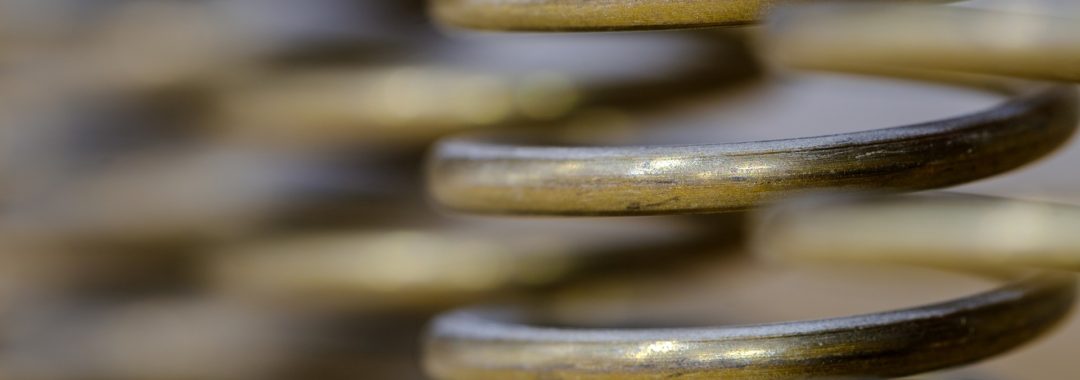
Sometimes The Body is Like a Well Sprung Spring & Other Times Not

Sometimes the body is like a well sprung spring, and over time the spring gets stretched, but , bounces back to its original shape, but overtime, one day, it will get to a point where it is slower to recoil to its original state, or, will no longer spring back to its original shape and have no more spring to recoil to its original state. No matter what you do to it, it just will not recoil and will in essence become to a state of non-repair.

As everyone knows, I always use a very integrative medicine/ multi-modality approach to treating people and getting the best for people’s health. I always believe that preventative medicine is the best approach to any health problems, but sometimes medical intervention, in the form of surgery,  is needed for some acute complaints.

It is always hard when someone comes into the clinic and they are doubled over in acute pain from endometriosis, or an acute skeletal issue, and while I can help them, I know that the best thing for their long term health would be intervention in the form of surgery. That is not saying I cannot help and assist people with acute pain, but sometimes the best thing to do is get the person in for surgery to help with the acute pain, and then follow up with preventative and rehabilitation care.

Often it can take several months to help regulate hormonal issues and pain from conditions such as endometriosis, or pelvic inflammatory disease, with more conservative forms of treatments such as pharmaceutical medicines and hormones, complementary medicines, acupuncture, supplements etc. While the outcome after treatment is always great, is it really beneficial for people to endure constant pain for months, when surgery could produce a faster result, for the pain?

In saying that some of these conditions have a high rate of return, so that is where an integrative medicine/multi-modality approach can help post surgery.

I was talking to a medical specialist colleague recently, who promotes a holistic approach for all his patients, and he explains it to his patients like this;

“Sometimes the body is like a well sprung spring, and over time the spring gets stretched, but , bounces back to its original shape, but overtime, one day, it will get to a point where it is slower to recoil to its original state, or, will no longer spring back to its original shape and have no more spring to recoil to its original state. No matter what you do to it, it just will not recoil and will in essence become to a state of non-repair.”

I see people in my clinic just like this spring. Some are well oiled, and well sprung, and bounce back into shape very quickly. Some are showing the signs of starting to lose their spring, and then others have just pushed their body to the point or no spring, or worse still to the point of non-repair.

Obviously I like seeing people do the right things and use preventative health so that they stay well oiled and well sprung. I do like to see people coming into the clinic when they get the first signs of ill health and the spring is starting to recoil slowly.

The sooner you get onto any health complaint the easier it is to treat. Early intervention is the key to any disease state, or health issue. But, we all know people who push through pain and say “She’ll be right mate” and get to that point where they just can’t recoil anymore. Then we get the ones that have gone beyond that and unfortunately no matter what they do you will never be able to get them back to what they used to be like. So, please don’t ever let your body get to this point if you can.

The reason for this blog was to not only inform people to be proactive with their health but to also make sure people are covered if they do need surgery. It is always such a shame and I always feel sorry for people who need urgent medical attention, but they don’t have private health cover. I know that not everyone can afford it, and I am not pushing it either. But, it is worth considering for anyone who have a long term health issue, or especially for women trying to conceive.

Every woman is going to need to see a gynaecologist at some stage in their life and you don’t want to be relying on a failing public health system that could have you waiting months, or even years, for an appointment, or much needed surgical intervention. Those experiencing fertility issues will need some investigation at some stage so it’s almost necessary to be prepared and well covered.

I’ve seen so many people over the years that come into my clinic, for so many different ranges of acute conditions, that actually do require some sort of urgent surgical intervention, but only to find out they can’t get the necessary treatment they need because they aren’t covered.

The public health system is in such a mess at the moment and wait times are becoming increasingly long. If you have an acute condition, you don’t want to be waiting months, or years for treatment. The other issue is that you don’t get to see a surgeon of your choice and can then end up with the lucky dip of whomever is there on the day. The other issue is that this person may not specialise in the disease state, or issue you are there to have treated. This is what happens to many and this can then have long term health consequences if you aren’t given the right care that you need, or they actually miss crucial issues as well. It is a big issue.

Then when you finally get to having the surgical intervention, it may require multiple surgeries, and the first surgery may be just for investigation only. I’ll give you an example.

I had a friend, with acute period pain that got nausea, vomiting and even fainted, (from severe endometriosis) go on a 12 month wait list for surgery in the public system. Finally she got in for surgery only to wake up and find that the operation was one of many to come and the first one was only for investigation purposes only. She would need ‘three’ more surgeries spaced at months apart. So nothing was done with the first surgery, she was still in pain and now had to prepare for further surgeries.

Yet, a similar friend who had a private cover, got to chose the gynaecologist of her choice, got someone who specialised in her disease state, was an advanced trained excision surgeon, had no wait time, had not out of pocket expenses, had everything tidied up and the endometriosis removed on the first surgery. This same lady could then come back to see me straight away to prevent the endometriosis from returning and was now not getting that acute pain anymore. There is a huge difference in the time, the surgeon who this the surgery, the treatment and the amount of surgery needed.

As I said, it is a hard topic to talk about and is by no means a push for private health cover. I am only talking about this to educate people that sometimes it may be a necessary part of your overall health. It just distresses me seeing people who need desperate immediate help, not being able to get it. I know that not everyone can afford it and believe me you have to shop around when you do start looking at it. The big companies are usually the worst to deal with and the smaller companies are usually the best to deal with, and give you better rebates.

In saying that, private health is a sometimes necessary part of overall health care, especially for those with ongoing health concerns and especially those that may require some form of medical intervention. There are some great smaller funds out there that don’t cost that much and give you full hospital cover with an outlay of a couple of dollars per day. You can also look into having extra’s cover as well, which will cover part of the treatments with us also.

Again some of the smaller funds provide better rebates and the best thing would be to give us a call and we can tell you who those funds are. I hate talking about these sorts of things but at the end of the day I care when people aren’t getting the right help and am here to help people with every area of their overall health. It is a very important issue that we all need to consider and that we all need to discuss too.

If you do need help with pain, or a women’s health condition, help having a baby, or just need someone who cares and can help you get the right advice and health management, please give my clinic staff a call and find out how I may be able to assist you.

Take care

Regards

Andrew Orr

-No Stone Left Unturned

-Women’s and Men’s Health Advocate

-The Women’s Health Experts

-The International Fertility Experts

-The Endometriosis Experts

time for a change 2015164 1920

The Importance of Following Through With Advice, Treatments & Change

I see so many people who have been ‘missed’ and ‘dismissed’ and who have suffered in silence with their disease state.

But the biggest shame is when those that are offered real help, then do nothing with that advice and continue on the vicious, merry-go-round cycle of their disease.

My motto is “No Stone Left Unturned” and I apply that to every patient that I see. My initial consults are usually 1-2 hours in length and I also do lots of preliminary work prior to see a patient as well. I make sure all my patients are now only sent health appraisal questionnaires, but are also evaluated with mood and stress questionnaires for their mental health too.

I really want to delve into every fine detail of a persons life to see what may be driving their disease state and symptoms. It is to also help with diagnosing those that have not been properly diagnosed either. I then write up a comprehensive report for all my patients, with everything they need to do, the changes they need to make, the medicines they need to take, the investigations and testing they need to have and all their step by step health management moving forward. It really is a matter of ‘No Stone Is Left Unturned’ as I mentioned before.

As I mention in this video blog is that the greatest shame is those that come to get the advice and help and then do nothing with it. Just remember that if you do not change anything, or do the work needed, then nothing changes. The key to real change is actually within you.

If you so need help with a particular health issue, or you just aren’t getting the right answers and care, then please book in a time to see me and let me be your guide to better health and getting your life back to normal.

woman 687560 1920

Is it Endometriosis, or Adenomyosis, or both?

Endometriosis and Adenomyosis can often present with the same symptoms and many now believe they may be one in the same disease, just in different locations.

Despite both of them sharing similar symptoms, there are pointers for properly trained professional to which disease may be presenting. Both diseases are often missed and dismissed as well. To learn more about Endometriosis, or Adenomyosis please click on the hyperlinks.

I have previously put up posts about hysterectomy not being a cure for endometriosis. It often causes lots of people to question this statement, because some uneducated healthcare practitioner has told them differently. Some may have had some relief from having a hysterectomy and now believe their endometriosis has gone.

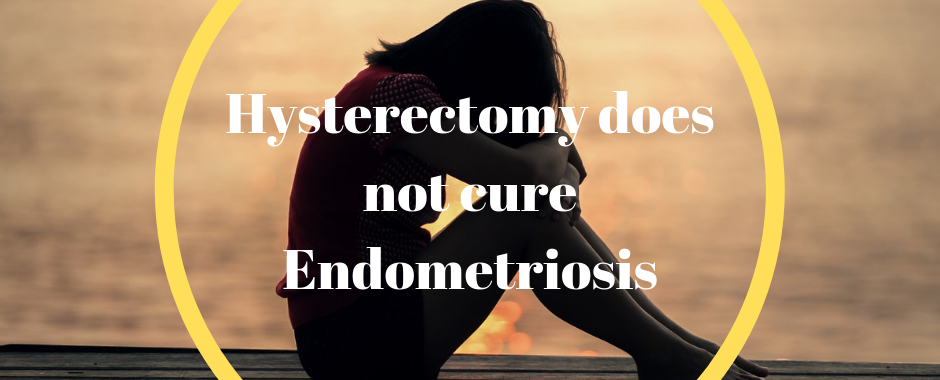
Before I go any further, I do need people to know the facts. Hysterectomy does not cure endometriosis, but is can help Adenomyosis. There is no cure for endometriosis. I have explained the reasons why in my resent post Hysterectomy does not cure endometriosis. Please click on the hyperlink to find out the facts.

Many women who have Endometriosis, or Adenomyosis are often missed and dismissed for up to 10 years or more, before a diagnosis is made. This is due to the fact that many healthcare practitioners do not know the symptoms of these disease states, or dismissed them as being normal. That is a fact. This is why it is important to see someone who has a special interest in Endometriosis, or Adenomyosis.

With both Endometriosis and Adenomyosis, they share many common symptoms such as:

  • Painful periods
  • Pain with intercourse
  • Ovulation Pain
  • Dark and clotted menstrual blood
  • Digestive upset
  • Pain on bowel movement
  • Bowel or bladder issues
  • IBS like symptoms
  • Pelvic pain and rectal pressure
  • Infertility

What is the difference between Endometriosis and Adenomyosis?

The one thing that usually sets them apart is that Adenomyosis usually has more heavy menstrual bleeding, abnormal uterine bleeding and more flooding symptoms. Endometriosis can have this too, but usually adenomyosis presents with more blood loss symptoms and abnormal bleeding.

Endometriosis ‘cannot’ be definitively diagnosed via ultrasound, or MRI, but adenomyosis can be diagnosed via both of those methods. Endometriosis can only be definitively diagnosed via surgical intervention (laparoscopy). This is the biggest difference with the two disease states. The other thing is that both disease states can be present at the same time and quite often do.

The biggest issue for many women is that when one disease state it found, the other one is quite often overlooked, or misdiagnosed. Many women, and healthcare professionals, are unaware that both the disease states can be present at the same time and this is a real issue.

Hysterectomy will help Adenomyosis, but it ‘will not’ cure Endometriosis.

As I have mentioned earlier, hysterectomy does not cure endometriosis, but it can help adenomyosis. Many women have been led to believe that hysterectomy will cure their endometriosis and associated symptoms, but this is not true.

Some women who have had a hysterectomy and then think they are getting relief from symptoms of endometriosis, but are actually getting relief from adenomyosis not being there anymore. It is just that they did not know it was there, they have never been diagnosed, and then believe their endometriosis is cured. Once the uterus is removed, the adenomyosis is removed too. Then all the adenomyosis abnormal bleeding, period pain and period related symptoms are usually gone as well.

The only trouble is, if a woman has been diagnosed with endometriosis, the endometriosis will still be there. That is a fact. Endometriosis does not miraculously go away after a hysterectomy. Endometriosis is not in the uterus. Some symptoms (usually the menstrual related symptoms) can settle for some people, but for many it does not. Regardless the endometriosis will still be there and can continue to grow and cause havoc elsewhere in the body too.

Proper investigation is important

When women come to see me for help with Endometriosis, or Adenomyosis, I always make sure they are investigated for both disease states. If a women has abnormal uterine bleeding, or heavy menstrual bleeding and they have only been diagnosed with endometriosis, I will always make sure that they are investigated to see if they have Adenomyosis as well. I will also screen for genetic issues such as Von Willebrand’s Disease and other pelvic pathology that may cause bleeding as well.

It is also very important that women with both Endometriosis, or Adenomyosis, or both are are also screened for iron deficiency too.

Hope this explains a little bit more about Endometriosis and Adenomyosis and a bit more about which disease state hysterectomy will, or won’t help.

If you do need help and assistance in managing endometriosis, or adenomyosis, or both, please give my friendly staff a call and find out how I may be able to assist you.

Regards

Andrew Orr

-No Stone Left Unturned

-The Endometriosis Experts

-The Women’s Health Experts

Copy of Endometriosis Facts There is no cure for endometriosis

Hysterectomy Does Not Cure Endometriosis

One of the things I get asked to comment on often by women, colleagues, media etc, is “Will Hysterectomy Cure Endometriosis?”

Every time I hear the question asked, or hear of women being told that hysterectomy will cure their endometriosis, I almost cringe and have to stop myself from swearing. The fact is this, and I want everyone to know this. Hysterectomy “does not” cure endometriosis. It never has and it never will and I am going to explain why.

Endometriosis is typically not found in the uterus as it is endometrial like tissue that grows outside the uterus. Endometriosis is really normal tissue, growing in abnormal areas. It can grow on the bowels, bladder, pelvic wall, utero-sacral ligaments (USL’s) and it can spread to nearly every part of the body.

Endometriosis is also one of the most misdiagnosed disease states in women and can take up to 10 years to diagnose on average. Some women are never diagnosed and many take up to 20 years, or more, to be diagnosed. This means that a hell of a lot of healthcare people miss it along the way. That is a fact. It also means a hell of a lot of healthcare people do not know much about the disease as well. Another  fact as well. Let’s not get started on the surgical side of this either. I have explained this in other posts (Click Here)

The other fact is there is a lot of BS (Bullshit) put out there about endometriosis by uneducated healthcare practitioners, media and general public alike. Again this is a fact.

One of the biggest pieces of misinformation is women being told that hysterectomy will cure endometriosis and is the solution to all the symptoms they are getting. Not only is this not true, but it is downright reckless, misleading and bordering on negligence. It is also causing women to have a healthy uterus removed and many to undergo a procedure that is not even going to cure their disease. There is no cure for endometriosis at this present time.

Why Won’t Hysterectomy Cure Endometriosis

Firstly, there is no cure for endometriosis. That is a fact.

Secondly, endometriosis is outside the uterus. As I have said before it can grow on the pelvic wall, the bowels, the bladder, the ovaries, the fallopian tubes, the USL’s and it can spread to the diaphragm, the lungs, the pericardium, the heart and nearly every part of the body. That is the truth.

Now, if the disease is not in the uterus, how is taking the uterus out going to be a cure for the disease?

Well, it isn’t a cure and this is what we need for people to know. Sure, menstrual related symptoms like period pain, heavy bleeding, clotting etc may be stopped due to a hysterectomy and not getting a period anymore. But, that is it really.

Endometriosis will still be there and so will many of the non-menstrual related symptoms. Worse still many then think, or have been told, that the endometriosis is gone and that the symptoms they are experiencing post hysterectomy are not from endometriosis. The fact is, the endometriosis is still there and those symptoms are still from endometriosis. Many women are then led to believe the symptoms are in their head, or then told to go and see pain specialist and suck it up basically. That is what happens.

The other thing is, many women who have pain with their menses and heavy bleeding may have another condition called Adenomyosis and may not even know they have it. Hysterectomy will help adenomyosis, because this is confined the uterus. So when women say they got relief from having a hysterectomy, they may have just had adenomyosis and not even known they had it.

They may also just be having symptomatic relief from menstrual related symptoms from not having their period. Adenomyosis and endometriosis often go hand in hand too and many do not know they have both disease states. Many now believe they are one in the same disease, but just in different locations. But, regardless, endometriosis will still be there regardless of whether a woman has a hysterectomy, or not.

No matter what anyone tells you, hysterectomy will not cure endometriosis. If endometriosis has been diagnosed, then it will still be there regardless of the uterus being taken. This is what we need all to know. Many women are told hysterectomy will be the cure to their endometriosis only to find the symptoms come back again after the procedure is done. The women I feel sorry for are the ones led to believe that hysterectomy will be the great savior for all their symptoms, only to find out it isn’t.

Let’s not forget that endometriosis symptoms don’t always relate to the menses either. Women with endometriosis can be in constant pain at anytime in their cycle and pain can also be cyclic, regardless whether the period is due or not. “Endo Belly” can strike at anytime. Women can go from having a flat stomach one minute, to looking like they are pregnant the next minute, and then back again.

Then we have all the other physical and emotional symptoms as well.  Hysterectomy is not going to fix any of that. Again hysterectomy will only help with the menstrual related physical and functional symptoms and endometriosis will still be there.

There is only one way to deal with endometriosis and that is via a multi-modality approach and manage the disease properly. I have written many articles about this and spoken about it at many seminars and events. If you want to find out more about how to manage endometriosis please click here 

I need every woman with this horrible disease to know that Hysterectomy will not cure endometriosis. No matter what anyone says to you, it won’t cure the disease. That is a fact and we need to start getting this information out there and stop those spreading the misinformation to be educated properly. If anyone tells you that hysterectomy will cure endometriosis, tell them they are misinformed. The endometriosis will be there still. If you, or someone else, needs to know the facts about Endometriosis, you can always direct them to my Endometriosis Facts Page or visit Endometriosis Australia’s page as well.

Let’s end the silence and also put an end to the misinformation as well. Lastly, always remember that Period Pain is not normal either.

Regards

Andrew Orr

-No Stone Left Unturned

-Women’s and Men’s Health Expert

-The Endometriosis Experts

sunset 3087474 1920

Are we really doing enough for women with Endometriosis?

I often myself “Are we really doing enough for women with Endometriosis?”

That is a hard question to answer in one way, but easy to answer in others. But, the bottom line is that we really aren’t doing enough for women with this terrible disease.

Now, before I continue and start with what I am about to stay and before anyone takes this the wrong way and gets upset (which isn’t my intent), let’s look at the positives around endometriosis.

There has been more awareness of the disease than ever before and awareness brings about change. But unfortunately that change can also be slow. But, it is a step forward in the right direction. At least there is now some government recognition is some countries like Australia. It is about time though and we need all countries to step up on this front. Governments also need to do more, including ours here.

Yes, we have surgical interventions, pain killers and hormones to help those who suffer the disease. All of these things, either in isolation, or in combination can help women with the disease. Some women even become asymptomatic (meaning no symptoms), after certain interventions, or a combination of all interventions combined. That is what we would like for all women with endometriosis.

Surgical intervention can control active lesions and the inflammation and symptoms they cause. Pain meds can help control pain, but after a while women will need stronger pain meds to control the pain. The body will get used to the level of pain meds and there are also high side effect profiles. Hormones such as progestins and GnRH agonists can help with the control of symptoms, help with pain and inflammation and also help with the suppression of microscopic and active lesions. But, again it isn’t enough.

We know that despite the current medical model of treatment that women are still being missed and dismissed, women are still in pain, women are still having numerous symptoms, women are having high levels of anxiety, basic bodily functions are being denied or hard to achieve, and women are being offered multiple surgeries, because that is all that the medical model can provide for them. That is the pinnacle and once that is reached, then this leaves very little options left.

Women are then offered radicle treatments and removal of body parts and that is not the answer to their often horrible daily journey either. Hysterectomy does not cure endometriosis, not at all. But it is still being offered as such by the ignorant, ego driven and uneducated out there still. Sure, it can stop you having a menstrual cycle. Sure it can help with symptoms associated with the menses.

The trouble is that many women that get relief from hysterectomy actually have adenomyosis as well, or in isolation (usually missed diagnosed or missed completely), which a hysterectomy will help, and these symptoms are then controlled permanently by this procedure. But, the problem then is that these women think that their endometriosis is gone and cured. Not so.

If endometriosis has been diagnosed, it will still be there and it can still cause inflammation, and flares, and gastrointestinal symptoms, destabilise moods, causes endo belly, still spread throughout the body, still wreak havoc on bodily functions and most likely still need interventions of some sort.

Many women with the disease are at the point on suicide some days; let alone asking them to undergo reproductive suicide. I am sorry to put it so bluntly, but that is what it is. I have seen young women who have being told that the only way to cure their endometriosis is to undergo reproductive suicide and permanently halt their chance at having a family, all due to ignorance and being told BS, heartless, unethical statements like that.

Just go and chop out your uterus and you will feel better they say. No woman should ever be faced with that option because there are ways to manage this disease that many have not even been told about, or even begun to explore.

I want every woman to know that hysterectomy does not cure endometriosis and that is a fact. I also want women to know there are options for a normal life, outside the current medical model, or to be used in conjunction with the medical model.

The other issue is that like the fashion industry and their assault of women through marketing, we also have pharmaceutical companies trying to mislead women to believe they have the latest and greatest “fix all” pill for their endometriosis. Again, much of that is just over marketed hype and remarketing of medications and hormones that we already have and are just being sold under another patent and another name.

Many women work out very quickly that the benefits being marketed are not forthcoming and are again left with the feeling of despair. I would love to see a new medication to help women. I would love to see the cure all pill appear on the market, but unfortunately there is no such thing, it does not exist and probably will not exist in the near future either.

We also now have women basically addicted to pain medication, because without them, they cannot function in a day to day life. This then leads to judgment by many and we are now seeing women being viewed as ‘druggies’ so to speak. Many women are also being questioned at pharmacies, even when they have a doctor’s script.

We also have medical centre GP’s refusing women pain medication because they just have not listened to the women and her symptoms and that she in fact has endometriosis. All they hear is “Here is another addict trying to get pain meds”.

No, this woman is in pain and you are not listening to her, or even able to understand the level of distress and pain she is in daily. Sure, pain meds are addictive and they have side effects, but what other options do we have for these poor women? Until someone comes up with a better solution, on a medical level, then this is what women with endometriosis have to do in order to survive their day.

So, yes, while we have come far in awareness and recognition etc, which we desperately need, but we are still stuck in the dark ages as far as medical diagnosis, disease classification, interventions and true clinical and overall health management of the disease.

What women with endometriosis need is an individualised, case by case, individualised, multidisciplinary approach to fully treat and manage the disease but this is not happening.  Much of this is due to ego, certain marketing, suppression of research by pharmaceutical interests, lack of funding, lack of education, lack of awareness and people not willing to research or explore new ideas around this disease that don’t fit the model they want to explore, or believe.

There are ways to treat this disease effectively and it requires a multi-modality approach to do so. It requires the team approach that I always talk about. There is good research and evidence out there to suggest that there are some great treatments and management options outside the medical model, which can also be used alongside medical options to enhance treatments and overall health for those with endometriosis.

We just need more education, more research, more funding, more open mindedness, less suppression of research and education by those with monetary interests in certain areas of medicine, more subsidisation for affordable treatment options and certain people letting go of old belief systems and ego so that new thought processes and education can occur.

While awareness is great and it brings recognition to those with the disease, we also need to then give those same people ways to manage and treat the disease as well and stop viewing these women and druggies, or hypochondriacs, just because the medical system hasn’t caught up with what these women actually go through and what they need to live on a day to day basis.

I’ll talk about some other options for the treatment and management of endometriosis in some upcoming posts. In the meantime please know there are better ways to manage this disease and while I would love for there to be a “one pill” or “one treatment fix all’ approach, I am sorry but that does not exist and we will probably not see that exist either. We can hope, but please don’t hold your breath waiting. Sorry for the rant, but it need to be said and more needs to be done.

Regards

Andrew Orr

-Women’s and Men’s Health Advocate

-No Stone Left Unturned

-The Endometriosis Experts

checklist 3222079 1920

So you have the diagnosis… Now What?

Many gynaecological issues such as endometriosis and PCOS often take years to be definitively diagnosed and women have to suffer the consequences of their disease state through being missed and dismissed along the way.

Then after many years of suffering, they finally get the diagnosis they have been looking for, but then many are not told what to do next, to manage their disease state moving forward.

From a state of relief then comes a state of despair, as the diagnosis is made and realisation that disease state you are living with isn’t really being helped and managed as well as it could be. So now what?

So now what?

As someone who has had to live with a chronic disease state daily and spent many years trying to find the right help and be diagnosed properly, I know all too well what many face daily. Many days it just feels like you are knocking your head against a brick wall and nobody wants to help, or listen to what you are telling them.

This is why it is important to take things into your own hands and keep searching until you find the right help. That is why I now do what I do and my motto is “No Stone Left Unturned”.

Never try to manage your disease by yourself

When I say take things into your own hands, I don’t mean try and manage things yourself. Trying to manage oneself just does not work and it can created a never ending vicious cycle of thinking nothing works, or nothing will help. The truth is, everyone with a chronic disease state, needs proper professional help to be managed properly.

The sad but real truth is that we do know that despite the best medical interventions and treatments that many women will continue to suffer the consequences of their disease state.

We know that disease states like endometriosis have no cure and despite the best surgical intervention, hormonal therapies, pain medications etc, that the disease state can continue to grow and cause debilitating symptoms, both physically and emotionally.

Just remember that while surgical intervention, such as a laparoscopy is a definitive diagnostic for diseases such as endometriosis, it can also be used to excise the active disease and by a part of pain management too.

But….while surgical interventions, hormone therapies and pain medications can offer women some reprieve in their disease state, are they enough?

Sadly the answer is “no!”

The vicious repeat cycle

Unfortunately, this is where many get caught in the vicious repeat cycle of further surgical intervention, the need for new hormonal therapies and a dependency on pain medications.

There are also the side effects of some of the medications and treatments and also the effects on future fertility. Treatments also tend to be about treating the masses, rather than the individual. We know that while women may suffer the same disease state and similar symptoms, all will have differing symptoms as individuals as well. This is why blanket approach does not work and why an individualised, multimodality/team approach is needed.

Most medical treatments treat the symptoms, not the disease

The trouble with the current treatments for many gynaecological issues such as endometriosis and PCOS, is that they are suppressive rather than being curative. These treatments also tend to mask the disease and also only provide temporary relief of symptoms during the period of treatment.

On discontinuation of treatment the reoccurrence of symptoms is generally to be expected. For example, after medical treatment and surgical intervention, the reoccurrence rate of endometriosis is said to be around 25% after 2 years and around 50% or more at 5 years.

So what is the answer?

For any disease state to be treated and managed properly it needs to follow these treatment principles.

  • Treatments needs to be individualised and not about treating the masses
  • Treatments and management needs to be multimodality and may require a team like approach
  • Treatments need to be curative, rather than being suppressive
  • Treatments need to treat pain and associated symptoms
  • Treatments need to have an acceptable side effect profile
  • Long-term treatments need to be safe and affordable
  • Treatments need to treat and assist fertility and not interfere with ovulation and implantation
  • Treatments need to inhibit the current disease state and inhibit the current formation of lesions and cysts and future growths and cystic formations as well.
  • Treatments are efficient in treating all parts of the disease and all types of the disease, either superficial, or deep infiltrating, or related to the current disease state.
Do treatments like this exist?

Well, the answer is ‘yes!’… and ‘no!’

There is no curative medical treatment for endometriosis, but there are treatments that can assist in helping women with their disease state and to become symptom free, or at least live a fairly normal life.

There are treatments that can assist PCOS and actually assist in the reversal of some of the symptoms that are associated with the disease.

The one thing I explain to my patients is that they need to be real about their disease state and they also need to look at their expectations versus reality.

The longer one has had a disease state for, or health issue for, the longer it is going to take to manage.

There is no Magic Pill

Then I always talk about the magic pill. I think many people are waiting for “the magic pill”, which does not exist, and then get caught up in the vicious cycle of “Nothing works” and then spiral over and over again.

I wish there was a magic pill to take to solve everyone’s disease state, but there isn’t and this is something that all concerned need to come to terms with.  I know I have been there, so I understand where people minds go to.

When you are in pain, or living with disease state, it is all too easy to blame everything and become very cynical and negative, which in turn does not help the disease state either.

Getting caught in the one way approach

This is why when it comes to dealing with any disease state, we need to help the individual emotionally as well, so that they can learn to be focussed, be clear and also learn to cope with their symptoms better. Stress and emotional issues do exacerbate pain pathways and this is something that many overlook. This is why the body mind aspect is something that I look at with all my patients.

The problem is that many just get caught up in the one dimensional medical treatments of surgery and taking a pill approach, when in fact they need so much more.

Again, this is not discrediting that surgery and medications are a much needed part of treatment for many, especially those with endometriosis, or severe PCOS etc. Many will not be able to function daily without surgical intervention, or pain killers, etc.

But, as mentioned before, while they are necessary, they are not enough and women need to be looking outside the box and looking for a more individualised, multi-modality, team like approaches, if they truly want to get the help they are needing and to be clinically managed properly.

So where do you find these treatments and people who can help?

The million dollar question?

Well, that is the million dollar question that everyone is looking for and probably the hardest thing to answer. In every profession and every industry there is good and bad and not everyone specialises in the disease state you are wanting help with. This is the biggest hurdle many will face.

The sad but honest truth is that many people are seeing someone that doesn’t have the skills to deal with their disease state and is actually a big part of them not being able to move forward with proper treatment.

This isn’t just related to the medical profession either. It is the same in allied health, complementary medicine and other areas of health.

Finding the right team

This is why it is so important to find the right person, or the right team to help you. People that have the right skills, the years of experience, the specialisation in the area you are needing help with and also willing to work in with others to help you be managed and treated properly.

If the healthcare practitioner you are seeing isn’t helping you, then you need to change. Don’t just sit there complaining about it. Don’t go back to them and just go and find someone who will help you. It might just change your life. Remember that if you do not change anything, nothing changes.

Being part of your healthcare management

Just to be clear on this though, make sure you have actually taken on board the changes and treatment that has been prescribed to you. If you don’t do the prescribed treatments and follow the prescribed management plan, then you cannot blame the person you are seeing for not getting better. As I always say to my patients, a big part of them getting better is them actually following the advice, taking the prescribed medicines etc and making the necessary changes.

Having to live with a chronic disease state daily, I know the issues people face, on both a physical and emotional level. I know how hard it is to find the right people and get the right help and having to sift through the BS people tell you, when in fact many of these really have no idea. I really get how hard it is and I also hear how people are being missed and dismissed daily and it annoys the hell out of me.

A multimodality approach is needed

This is why as a healthcare practitioner, I use an individualised, multi-modality approach to healthcare. I help people with as much of my own skills and multimodality treatments and then I am also their guide, their coach and their voice, if they need to be referred to others.

I always only work within my close network of healthcare professionals and only refer to those whom I can trust and whom I know have the skills to assist my treatments and to help my patients. I always joke with my patients that I am here to keep the others honest and also be their guide every step of the way.

For those that are living in chronic disease state, I do feel for you, as I know how hard it is when you have to deal with a chronic disease daily. The one thing I did learn though, is that you have to fight and you need to take your health into your own hands. By that I mean that you need to find the right people to help you.  Do not try to manage your disease on your own. Find someone who will be your voice for you. I know this is what I do for my patients. This is what you need to find also.

For something to change, you need to change something

If something isn’t working for you, or your symptoms aren’t getting better, then this means you need to change something. Don’t just keep doing what you have been doing and expect it to change.

Don’t get caught up in the blame game, or get caught up in the label, as this doesn’t help you either. It just creates more stress and negativity. The best way to help your condition is to help yourself and get your mind and body strong again.

One step and one day at a time

You also need to realise that nothing is going to fix overnight and there is no such thing as a magic pill. You need to take one day at a time and do things one step at a time, no matter how hard things seem. You need to put one foot in front of the other and just keep doing that. Yes, you will have bad days, but as long as you are progressive and being monitored and managed properly and you are progressing forward, no matter how slow you may think you are going, then this is a good thing.

It is like running a marathon

I often say that when one is faced with the challenges of having to deal with a chronic disease, or chronic health issue, that it is like running a marathon. You can’t not put in the training and all of a sudden wake up one day, without any training, and expect to run a marathon and complete it.

To run a marathon you need to put in the work. You need to train. You need a coach to motivate you and help you with your training. You need to put good food in. You need to put supplements and additional nutrients in. You need to get your mind right and be motivated.

To do that you need a mind coach, or a psychologist, or counsellor, or mindfulness coach. What will get you over the line in the end is “You” and the work “You” have done and the advice “You” have followed and the lifestyle and dietary changes and the body conditioning. It is about everything “You” have done in combination coming together to help you overcome the marathon of your disease state.

Nobody is going to do this for you and this is probably one of the hardest things I had to learn on my own health journey. You can either stay where you are, and live in the state you are living in, or you can get up and take control of your own health.

It isn’t going to be easy, but it can be done. It just means taking that step to get the right help and if necessary, ask for help to find the right people to help you as well.

Find someone who will support you and care for you

I help people do this everyday. I see people do this everyday. It is also about finding the right people to help you and support you along the way. This is what I now do for my own patients and if you do need help, and cannot find the right people to help you.  I can always assist you in the marathon of your own disease as well. I do online consults, or consults in person as well.

My caring and friendly staff will explain all that to you when you make an enquiry.

Take care

Regards

Andrew Orr

-No Stone Left Unturned

-Women’s and Men’s Health Advocate

Cancer Pregnancy Endometriosis

Why am I getting bleeding between my periods?

Vaginal bleeding between periods can be common and is not generally a cause for concern. Most of the time women will get just very light pink coloured watery flow, or just some spotting.

There can be many reasons why a woman would be getting bleeding between periods, which includes hormonal changes, injury, or an underlying gynaecological, or health condition.

While bleeding between your periods may not be cause for concern, on one level, the ideal situation is to not have any form of bleeding at all and if you do get bleeding between your cycle, it is a good idea to have this investigated, just to be on the safe side.

What a proper menstrual cycle should be like

I have done quite a few posts on what a proper menstrual cycle should be like, but I will go over this again just briefly

A proper menstrual cycle should be between 26-32 days in length and really only have about 3-5 days flow. Any longer than this can be too long and put a woman at risk of being low in iron, especially if this happens all the time.

The blood flow should be a nice red consistency, no clots, with no stopping and starting, and women shouldn’t have too many digestive disruptions, and really, a woman should not be getting pain with her cycle.

A little bit of distention and knowing the period is coming is fine, but there should not be pain at all. If you have to reach for the pain killers and the heat pack, or are doubled up in pain, this is not normal and you need to get this checked out.

What are the causes of bleeding between periods?

As mentioned before, there can be a variety of reasons for breakthrough bleeding, some of which are no cause for concern at all. Some however do need to be investigated.

Below are some of reasons for bleeding between periods:

Ovulation

When an egg is released from the ovary, it does create a tiny wound, through which the egg will then travel through the tubes and prepare to make its way to be fertilised, or then shed with the menstrual flow. At ovulation, this tiny wound can also create a tiny amount of bleeding, which can be seen as spotting during the ovulatory phase of a woman’s cycle.

Implantation bleeding

When an embryo implants into the uterine lining and begins to grow, many women experience spotting around this time. This is called implantation bleeding. They may also experience some slight cramping at the same time and all of this is quite normal. Some women may then experience some lighter bleeding as the embryo grows further. They usually get some light spotting, which can be a light pink, or a brown colour. Sometimes it can be more like fresh blood. While this is normal, it is a good idea to get this checked out just to be on the safe side and to also put the pregnant mothers mind as ease too.

Miscarriage

Bleeding between menstrual periods can be an early sign of a miscarriage. Many women may not even know they are pregnant and may be completely unaware they are having a miscarriage.  While it is generally thought that once a woman reaches twelve weeks gestation everything is generally going to be ok, miscarriages can occur at any time during pregnancy.

Termination

After having a termination women can bleed for some time after the procedure, or taking the medication to start the abortion process. If bleeding continues and is very heavy, women need to seek medical advice.

Polyps 

Polyps are small growths that can develop in the uterus or on the cervix. They are often a cause for unexplained bleeding between the cycles. Polyps do need to be removed as they can prevent implantation happening and they can also turn cancerous if left behind. Polyps are a very common cause of bleeding between periods.

Fibroids

Fibroids, or myomas (also known as leiomyomas, or fibromyomas) are growths, or benign (non-cancerous) tumours that form in the muscle of the uterus. Up to 40% of women over the age of 40 years have fibroids and as many as 3 out of 4 women develop fibroids in their lifetime.

Fibroids can cause heavy bleeding, extended bleed and painful periods. They can also cause infertility, miscarriage and premature labour. In many women, they will not cause any problems at all. Fibroids are a very common cause of bleeding between the cycles.

Polycystic Ovarian syndrome (PCOS)

Polycystic Ovarian Syndrome (PCOS) is a very common condition that can cause irregular periods, absent periods, and can also cause bleeding between periods. PCOS can also cause other issues such as acne, weight gain, infertility and hormonal and emotional disturbances.

Endometriosis or Adenomyosis

One in ten women are diagnosed with endometriosis and many more do not even know that they have it. Endometriosis and Adenomyosis are very closely related, with endometriosis usually being more superficial disease and not confined to the uterus,  and adenomyosis being deep within the uterine tissue. Chronic conditions such as endometriosis and adenomyosis, can cause bleeding or spotting between periods.  These conditions may also cause heavy or painful menstrual periods and cramps between periods. Adenomyosis will usually cause more bleeding symptoms along with pain etc.

Sexually transmitted infections (STIs)

Some sexually transmitted infections (STIs) can cause pain, vaginal bleeding and spotting. If you do suspect you may have a STI, you need to see your doctor for investigation and treatment.

Injury to the vaginal wall

During sexual intercourse the tissue of the vagina can be damaged and this can then cause bleeding. If the vagina is too dry, lack of arousal, and not lubricated enough this is more likely to happen. It can also happen if there is atrophy in the vaginal tissue as well. This is called atrophic vaginitis.  This is more likely to be seen when a woman is going into menopause, or undergoing cancer treatments, or has diabetes.

Menopause or perimenopause

The menopausal stage of life and especially the perimenopause stage, can be a cause of irregular menses and irregular bleeding. It can also cause spotting, or heavy bleeding too. Perimenopause is the period leading up to menopause. This stage of a woman’s life can last for up to 10 years as hormone levels in the body change and can be unstable.

Hormonal contraceptives

Hormonal contraceptives are a common cause of bleeding between periods. They can also cause irregular bleeding and this can be quite usual in the first 3 months of using the contraceptive. If a woman misses takin her oral contraceptive, it can also cause irregular bleeding, or a withdrawal bleed.  Intrauterine Devices (IUD’s) like the Mirena, will often cause irregular periods and irregular bleeding in the first 3 months after it have been inserted. If bleeding lasts for longer than 3 months on any contraceptive, it is a good idea to seek medical advice and get investigated and managed properly.

Emergency contraception

The morning after pill, or emergency contraceptives, may also cause bleeding. If bleeding persists, you should seek medical advice.

Certain cancers

Vaginal bleeding between periods can also be a sign of gynaecological cancers in women. Most bleeding that women get is not serious, but it still needs to be checked.  Cervical cancer can affect women of any age. Bleeding between the cycle, or after intercourse, and pain after intercourse, or unpleasant smelling discharge can be symptoms of cervical cancer and these all need to be checked by your doctor, or gynaecologist.

Uterine cancer tends to occur in women over 50 year of age. One of the early symptoms of uterine cancer can be vaginal bleeding. Uterine cancer mostly affects women are in the menopause and no longer have periods, so this is why any bleeding after menopause needs to be investigate and seen as not being normal.

Stress

Yes, stress can cause abnormal bleeding and also interfere with a woman’s cycle. Increased levels of stress can interfere with hormones and this can lead to bleeding, irregular cycles, or pain with cycles too.

When to see a doctor

If vaginal bleeding between periods is heavy, persistent, or unusual then a woman should go and see a specialist, or a gynaecologist, who is a specialist in this area of medicine. As mentioned previously, while some causes of bleeding are not serious, some are and need to be properly investigated and properly managed medically.

Treatment and prevention

All women should keep a record of their menstrual cycle and when the period starts and how long it lasts for. Any abnormal bleeding should be recorded so that you can show your healthcare specialist if need be. Any abnormal bleeding should be investigated and the treatment will depend on what the underlying cause is.

Women should try and see their healthcare specialist for regular pap smears and regular check-ups for gynaecological health.

If women are getting small tears and bleeding caused from dryness in the vagina, then there are water based lubricants that can be used to help with lubrication and to moisturise the surrounding tissue.

There is no cure for gynaecological and reproductive issues such Endometriosis, but these disease states can be treated and managed to give women a normal life.

Proper treatment of these issues needs a “Team”, or multimodality approach using medical options, surgical interventions, pelvic floor specialists, complementary therapies, hormone therapies, and diet and lifestyle changes. It is about using what works for the individual and not a blanket one treatment fits all approach.

Last but not least, all women should know that period pain is not normal and that irregular bleeding really isn’t normal either. While most causes of bleeding are not life threatening, they still need to be investigated and checked out properly. Never ever put off seeing a medical specialist if you have abnormal bleeding.

If you would like to book in a consultation with me and find out how I can assist you with women’s health conditions, please give my friendly staff a call and they will be able to assist you.

Regards

Andrew Orr

-No Stone Left Unturned

-Women’s and Men’s Health Advocate

Weeding out endo

Weeding Out Endometriosis

Explaining endometriosis to people is not always easy and sometimes you have to use analogies that seem strange at first, but once you get the gist of where I am going with it, it will all make sense. But before I start, I always like to say that please take the personal out of things and just know that what ever analogy I use, it is with good intention and always about helping others.

I just know that when I used the “Endo is like Rust” analogy, which is what it is like, a few people took it to heart as though they had a rusty uterus and this is not what I was saying. Not at all.

Please know that I have loved ones with this horrible disease, so I am here to help, and my main aim now is to help as many people as possible with what I know, and how to treat people properly. I am also about getting the message out there so that women to not have to remain silent about this disease any longer. My motto is, and always will be, “Period Pain is Not Normal”

So, sit back, take out the personal and know that I am writing from a place of caring and sharing and a place of getting the message out there to help you all. Sometimes you just have to tell it how it is, in order for people to sit up and listen, so here we go J

Many of you have read my article of “Rust Never Sleeps and Neither Does Endometriosis” and the reason I wrote this is because endometriosis and how it attacks the body, is very much like how rust attacks metal. If you haven’t read the article, please do so that you can see what I am trying to convey.

I am always doing lots of speaking events and seminars on Women’s Health and also presenting for workshops on Endometriosis. It is so great to get the message out to the world, so that both the public and healthcare professionals can be educated on this subject better.

We need to stop having this disease “Missed” and women being “Dismissed” as I am always saying now. This disease should not be taking 8 years from onset to definitive diagnosis. It used to be 12 years. This is disgusting, to say the least, and there is no excuse for this to be happening, except poor education, sloppy diagnosis, lack of training, negligence and dismissive egos that need an attitude adjustment.

But, in saying that, we also need to teach women to be empowered and not just put up with being told “This is normal”, or “Just go on the pill and it will fix it”. That is bullshit (sorry). But it is true. There needs to be a better way and we need to stand up and say “Enough”. But we also need to not let the disease define you and get caught up in the blame game either.

We also need to get people to stop “Dr Googling” too, as this is also spreading the misinformation. It is great to be educated, but good old “Dr Google” is full of false information and research shows that up to 75% of the health information that the public can access on google, is either wrong, or only partially true.

Now that I have had my little rant about the injustices of many, I would like to share what I have been sharing to others about what endometriosis is really like and how hopefully we can prevent it from returning, hopefully for good.

I do know this is possible with the right care, right follow up treatments and right team of people helping. I see it daily and know what I share to be true. But, again it requires the person to follow the advice given and then to get the information out there. It also requires people to not be defined by their disease and break free from these chains to open their minds to the possibilities of new thought, new treatments and new ways of doing things. We need to not be caught up in what may cause the disease, but what we can do to help those with it now.

Of course prevention is crucial and so important, but once the disease is expressed in the body, what caused it is irrelevant. We can argue about the hypothesis of what may be the initial causal factor until the end of time, but that isn’t helping those with the disease now. The most important factor is how we can help those with it live a normal life and hopefully one day in the future to be free of the disease completely. At least  for now, we can look at hopefully giving people a better quality of life than the one they are living each day. From my experience, I do know that this is possible with the right team of people working the help the individual.

To be honest, the most likely cause of this disease is now known to be genetic links, or chromosomal, most likely through the parental mode of inheritance. Gene therapy is probably going to provide the biggest breakthrough in this disease in the years to come. But like any breakthrough, we just have to wait and see what happens there. You heard it here first. I do believe genetics does play a big part, but like any disease, it is not the only contributing factor.

But, all this aside, we need to focus on the here and now to help those who need help now. In order to make change, you need to make those changes required. If you change nothing, nothing will change. I also get how hard it is for those whom have suffered so long to pick themselves up, to make those changes. Believe me, as someone who has been through a major life threatening illness and pain and crawled their way back to good health and do what I do now, I get it. I’ve been to that point of wanting it all to just stop and I get what many women put up with on a daily basis. Pain is pain, no matter where it has stemmed from.

Getting back to the subject at hand, I have now been explaining that Endometriosis is like a weed. Why would I explain it like this?

Like a weed, endometriosis grows and spreads. You can physically remove the weed (surgically), but unless you control the regrowth, seeds have been dropped (endometriosis regrowth) and then the weeds pop up again and start to grow once more. Sound like endometriosis too you?

Like any weed, it needs certain things for its regrowth. We have just talked about the dropping of the seeds ( regrowth) but it needs a food and fuel source to make it grow (estrogens, insulin, inflammatory response from external factors, stress etc). Then once the seeds are fed, the regrowth continues and then the garden is infested with the weed plague once more. Then you need to try and physically removed the weeds again once more and so the cycle begins again. Are you seeing what I am getting at yet?

Just like these weeds, endometriosis is often removed and many people then either believe they are fixed, or they do not do anything post surgery to prevent that regrowth. Before they know it, they again have to go back for more surgery. Often when people do try to control the regrowth (Progestins, Mirena etc), they are only employing one method, for which is either not effective enough, or the weed (Endo) is now resistant too.

This is why we need to employ a multimodality approach post surgery to hopefully complete eradicate the weed regrowth and halt the life cycle of these seeds being spread and to start growing again, thus starting the horrible cycle all over again

Now that we can see how endometriosis is really like a weed that can spread throughout our garden, we need to look at what we can do to hopefully stop it coming back, or spreading into other parts of the body.

Like I said, treatment must be individualised, using a multimodality approach, taking the clinical problem in its entirety into account, including the impact of the disease and the effect of its treatment on quality of life. Pain symptoms may persist despite seemingly adequate medical and/or surgical treatment of the disease.

The real focus needs to be on prevention and treatment strategies post surgery. Even better still, lets prevent it before it starts

There is an ancient Chinese saying – “To try and treat a disease once it is fully expressed into the body is like trying to forge arms once a war has already started, or like trying to dig a well once you are already thirsty – Yellow Emperors Classics of Internal Medicine”

The same goes for endometriosis. Once the disease is there and expressed into the body, it is hard to treat, especially is known methods of treatment are failing and this individualised, multimodality approach is used.

A Multimodality Approach Should Include:

  • Surgery
  • Pain Management
  • Hormone Therapy
  • Counselling
  • Lifestyle changes
  • Exercise
  • Pilates/Yoga
  • Changes to Diet
  • Traditional Chinese Medicine
  • Acupuncture
  • Holistic Medicine
  • Anything people have tried and has worked for them

The Royal College of Obstetricians & Gynaecologist guidelines for the “Investigations and Management of Endometriosis” have the following quote:

“Many women with endometriosis report that nutritional and complementary therapies such as homeopathy, reflexology, traditional Chinese medicine or herbal treatments, do improve pain symptoms. They should not be ruled out if the woman feels they could be beneficial for her overall pain management and/or quality of life, or work in conjunction with more modern medical therapies.”

This is why it is vital to take careful note of the woman’s complaints and to give her time to express her concerns and anxieties, as with other chronic diseases, just as I do for all of my patients. Healthcare providers actually need to listen to the woman and her concerns. Women need to be listened to and be heard and be nurtured

It is also important to involve the woman in all decisions, to be flexible in diagnostic and therapeutic thinking, to maintain a good relationship with the woman and for healthcare providers to seek advice where appropriate from more experienced colleagues. This is something that I try to educate all my patients with and something I also try to educate healthcare providers with when I do my seminars and speaking events about Women’s Health issues and diseases like endometriosis.

But while there are thing that healthcare providers need to do, there also things you must do also. These include

  • Reducing Stress
  • Look at Emotions and How They Affect You
  • Exercise
  • Get “You Time”
  • Eat more protein and less High GI Carbs
  • Eat less process and package foods that we now call “Carbage”
  • Loss some weight if you have excess fats (which spike estrogens)
  • Gain some weight if you are underweight.
  • Do Something You Love (At least once per week)
  • Laugh Often (Even if some days you feel like crying)
  • Spend Time With Friends and Loved Ones
  • Make Love J ( Climax and Oxytocin are your friends)
  • Do Not Let The Disease Define You
  • Don’t Buy Into The Label
  • You are more than this disease
  • If something is helping, then continue with it, no matter what anyone tells you
  • Just remember that “You” are uniquely “You”

Please remember these words :

  • Do Not Let The Disease Define You
  • Don’t Buy Into The Label
  • You are more than this disease
  • If something is helping, then continue with it, no matter what anyone tells you
  • Don’t buy into everything you read on the internet, social media, or “Dr Google. To be honest, I ban “Dr Google” with my patient (haha)
  • Make sure you have a good laugh each day, but remember it is also OK to have a good cry too
  • It is OK to unplug every so often
  • It is OK to take the “Superwoman” cape off every so often too.
  • Remember “You” are uniquely “You”

This is why it is so important to not get caught up in what others have done, or tried and may not now be working for you either. We need to look at you as an individual and treat you as such. What works for one person, may not work for another. This is why an individualised multimodality approach is needed to help prevent and treat this horrible disease and we often need a team of people, on the same page, to help treat this properly.

Don’t forget to “Get A Second Opinion”, or a Third, or Fourth, or Tenth one if needed

In many other areas in life we will get multiple quotes, and opinions. Yet, when it comes to our health, we often only get one quote, or maybe two.

Just because someone has your history, or is nice to you, or maybe recommended by a friend etc, does not make them a good practitioner. It does not mean that you cannot get another opinion. If someone isn’t helping you, then you need to look at changing, no matter who they are, or how well they know your history.

Not every specialist you see is a good surgeon either, so please remember this. You need to have someone who specialises in endometriosis and who has done advanced surgical training, not just minimal training. There is good and bad in every profession and the medical profession is not exempt from this either.

The complementary medicine profession, or allied health care profession exempt from this either. Your health is important and so is the value of another opinion. Not every practitioner has all the answers. If someone isn’t helping you, then don’t be scared to change.

Lastly please remember to know that there is always help out there. I am always here to help people as well. I have a special interest in endometriosis and do a lot of education and research into this disease. I also have masters level post graduate training in this disease and other women’s health and reproductive conditions.

You can always come and see me in person, or make an initial online consult (zoom) for those who live at a distance. I have a great team of people I work with to give you the best help possible. I have a team of some of the best health care professionals and I make sure all of the team I work in with, are at the top of their game in their chosen profession.

Let me be the conductor of your health issues and help you get the treatment and advice you so desperately deserve. I am here to listen to you and hear you. I make sure you don’t have things “Missed” and aren’t “Dismissed “ and why my treatment motto is “Leaving No Stone Unturned”. I am out there as a voice for women and being a crusader for women’s health everywhere. I don’t mind stepping on a few toes, and ego’s to get you the best help possible J

Take care and remember that “Period Pain Is Not Normal” and neither are and other “Menstrual Irregularities” that women face on a daily basis. I know what you go through daily and I am out there making sure you all get heard. Let’s end the silence on this horrible disease for you, and the ones close to me whom I love, adore and care about also.

Regards

Andrew Orr

-No Stone Left Unturned

-Women’s and Men’s Health Advocate

-The Endometriosis Experts

Dr Andrew Orr Logo Retina 20 07 2016

Womens Health Consultations

Women’s Health Consultations with Dr Andrew Orr

Are you sick of Painful Periods?

Are you tired of the flares from Endometriosis?

Is your period irregular and messing with your life?

Are you getting bad acne?

Are you sick of having to put up with mood swings and hormone imbalance?

Sick of being “Missed” and “Dismissed” by healthcare professionals and friends telling you that your symptoms are normal?

Are you just not getting the answers to your health issues?

Do you just want to get your quality of life back and be able to do everything you want to do in life?

Getting Help

Many of the health and reproductive issues women face are not normal, but more importantly many of issues can be managed and assisted with right treatments and management protocols. The problem for most women, is knowing who to see, and where to start, for Women’s Health Consultations on the journey to a better life and better health.

Let Dr Andrew Orr Guide You Through Your Health Journey

Dr Andrew Orr’s multi-modality treatment approach (using medical science and complementary medicines) has helped and assisted thousands women with women’s health conditions locally, interstate and overseas.

Dr Orr has a special interest in conditions such as period pain, endometriosis, PCOS and menstrual irregularities and other women’s health conditions.. You can find out more on some of his social media articles.

If you need someone who cares, someone who listens and can be your caring guide every step of the way through the challenges you are facing, then you need to book in a consultation with Dr Andrew Orr.

Dr Andrew Orr’s mottos are the “Period Pain IS NOT Normal” and he has a “No Stone Left Unturned” approach to every person he guides, manages and assists through their journey to a better quality life and better health.

Dr Andrew Orr has seen women from all over Australia and all over the world and can see you for a consultation in person, or through online services. Through easy to use online services, Dr Orr can now see anyone from all over Australia, or anywhere in the world. *(conditions may apply)

If you are suffering from a particular women’s health condition, or unknown health issue, Dr Andrew Orr is here to care for you and guide you through his step by step multimodality health management protocols and get you the help and care that you are so desperately needing.

* To find more please call Dr Andrew Orr’s clinic, or submit an online enquiry through the website.